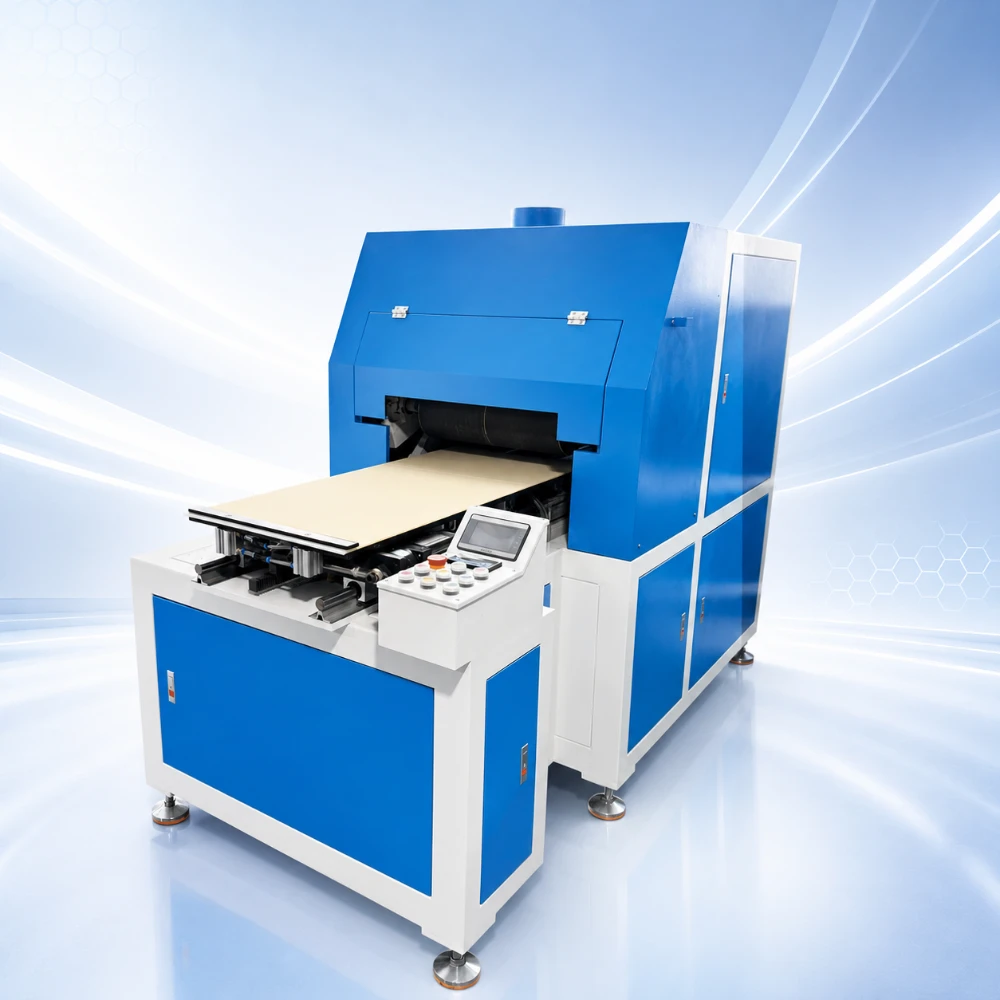
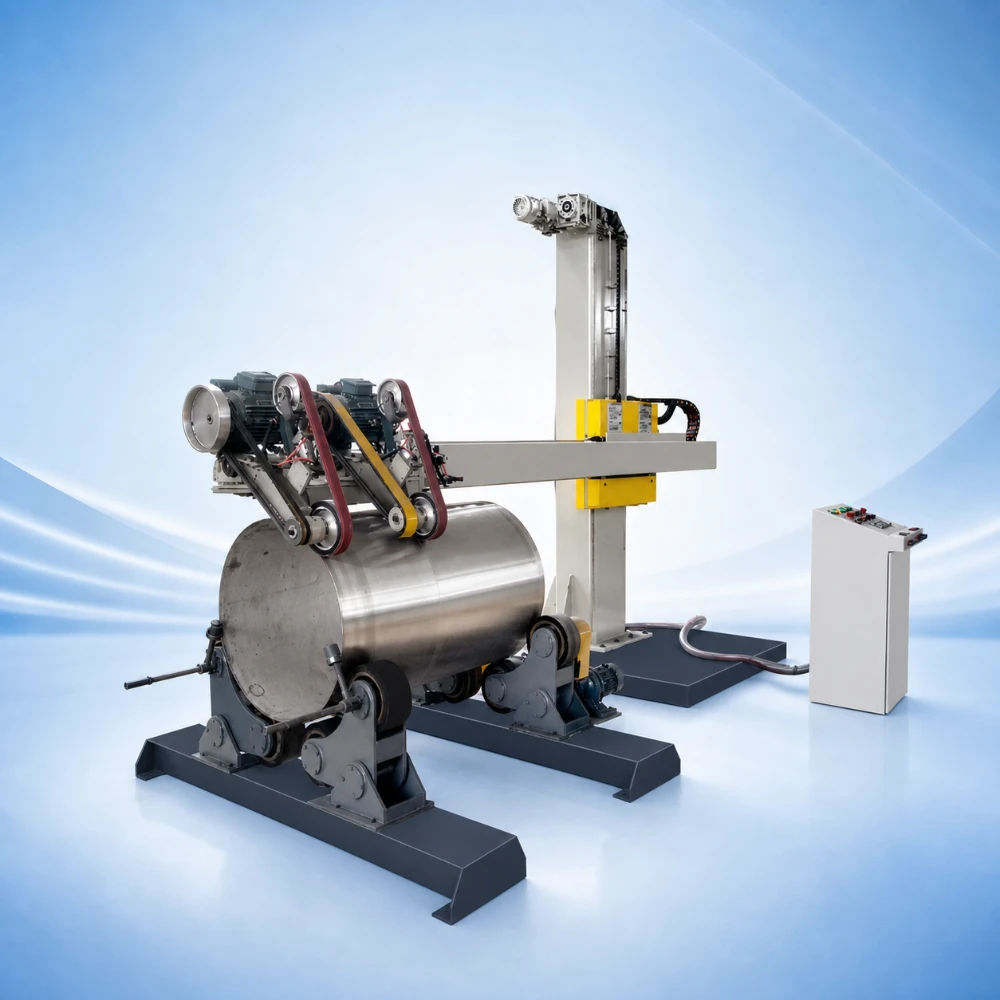
Circumferential Weld Seam Polishing Machine

Grinding and polishing of circular weld bands on stainless-steel tanks, cylinders and vessel components.

  • Main task: Blend permitted weld reinforcement and finish the adjoining band
  • Access review: Internal or external seam; full circular path
  • Acceptance: Allowed removal, appearance or roughness inspection
  • Configuration basis: Vessel geometry, seam profile and workpiece support

Capacity and complete-cycle time are selected for the actual component. Surface polishing does not repair weld-integrity defects.

share:

View More Inquire Now

Blend Circular Welds into the Vessel Surface

The Circumferential Weld Seam Polishing Machine is for tank, cylinder and vessel fabricators that need to reduce permitted weld reinforcement and finish the band around a circular joint. Typical buyers include stainless-steel food and beverage equipment workshops, process-vessel manufacturers and water-treatment fabricators with a defined surface acceptance requirement.

Select the process around the seam, not the tank diameter alone. A weld near an open cylinder end is a different access problem from a weld beneath a cover, behind a fitting or deep inside a closed vessel. Internal and external seams need separate checks of the support, tool approach and full circular working path.
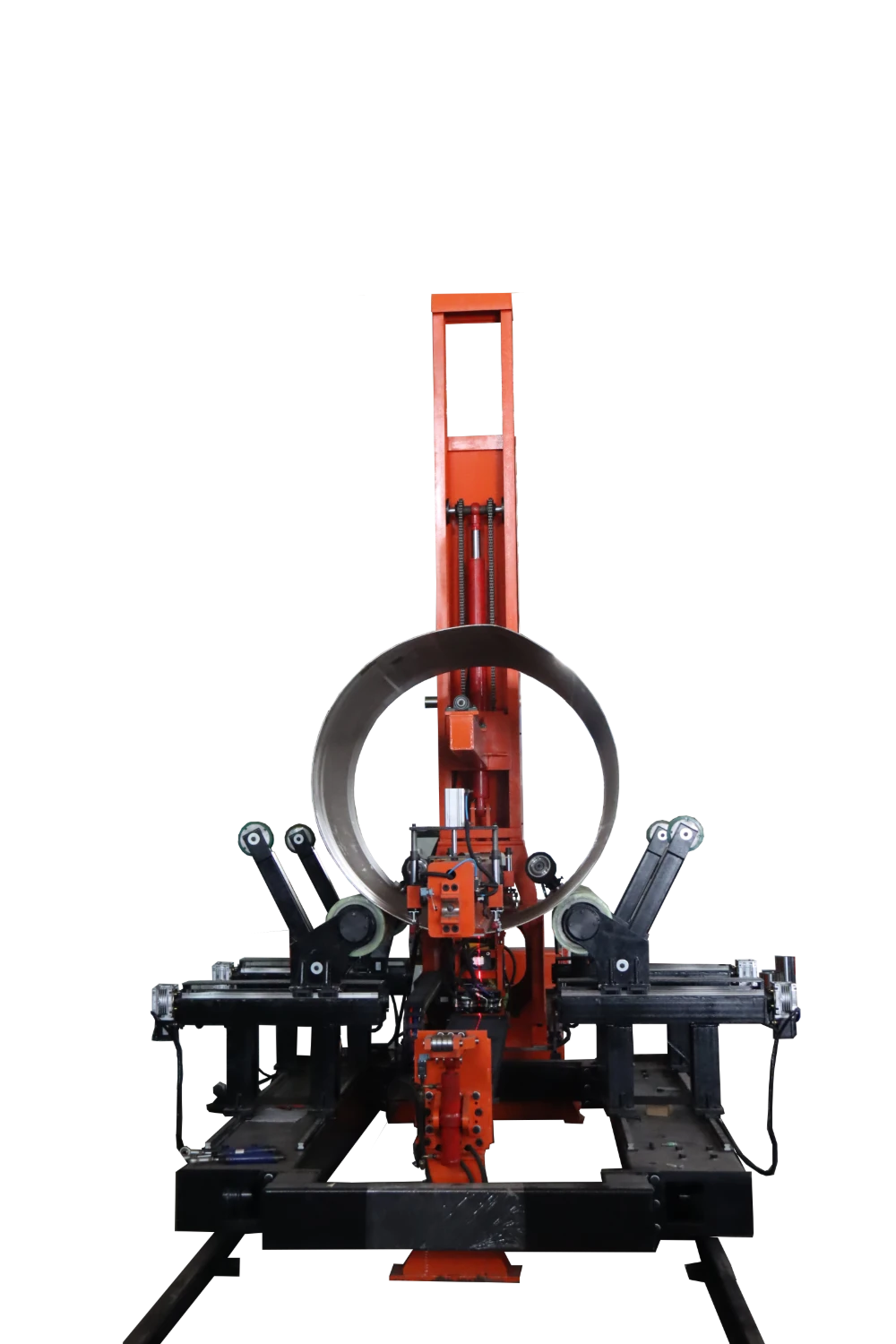
Front view of a vessel weld finishing machine with a cylindrical workpiece and adjustable roller supports
Front view of the vessel support and working area. Confirm the seam location and delivered tooling arrangement.

Define Removal Before Final Appearance

Grinding addresses the allowed excess weld material; subsequent polishing develops the agreed satin or mirror appearance on the weld band and adjacent surface. Bead height and width, parent-material thickness and initial grinding marks determine the abrasive stages. A bright finish does not show whether too much material has been removed.

Set the permitted removal and inspection method before the trial. Polishing does not repair cracks, lack of fusion or other weld-integrity defects, and does not replace the required weld inspection.

Check the Complete Seam Access

  • Identify the inside or outside weld and its distance from the entry opening.
  • Show head clearance around the whole circumference, including nozzles, brackets and fittings.
  • Review vessel roundness, roller positions, workpiece balance and how the circular path is maintained.
  • Define the finished band width and transition to the surrounding material, including regions that must remain untouched.
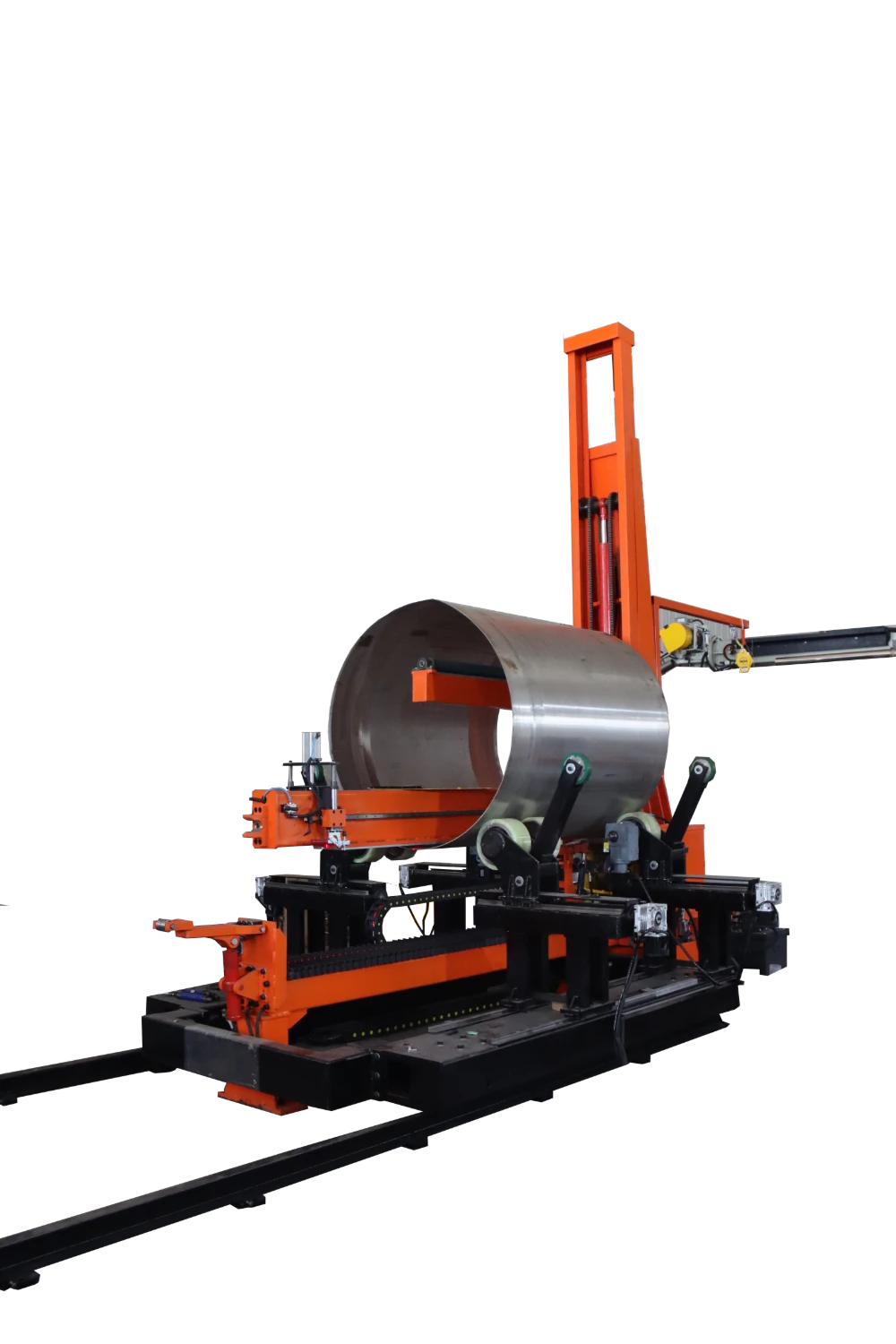
Side view of a circumferential weld finishing machine with a cylindrical vessel on roller supports
Side view for reviewing the relationship between the vessel, supports and working head. Capacity and internal access must be confirmed for the actual part.

Workpiece Information for Machine Selection

Selection itemInformation required
Vessel geometryDiameter, length, weight, wall thickness and roundness
Weld locationInternal or external seam, distance from the opening and access restrictions
Incoming weldBead height and width, existing oxidation and a representative sample
Final conditionPermitted removal, appearance sample or roughness requirement
Production arrangementSupport, loading method, batch quantity and required cycle time

This is a workpiece-selection table, not a fixed-model machine specification. The page does not state a universal diameter capacity, load rating, motor power or production rate. Confirm the equipment configuration against the vessel drawing and representative weld sample.

Approve the Weld Band and the Complete Cycle

  1. Supply a representative weld with material, wall thickness, bead profile and initial surface recorded.
  2. Check that the selected support and tooling reach every required part of the circular seam.
  3. Inspect remaining material, the finished weld band and the transition after cleaning.
  4. Record polishing plus loading, repositioning, abrasive changes and inspection when comparing output.

For broader shell-surface finishing, compare the Tank Polishing Machine. Where a programmable vessel contour rather than a local weld band is the main requirement, review the CNC Polishing Machine.
  • Q
    Is internal seam access guaranteed by vessel diameter?
    A

    No. Opening size, seam depth, internal fittings and polishing-head clearance must be checked around the complete circumference. Provide a drawing showing the surface and any obstructions.

  • Q
    What must be agreed before grinding the weld?
    A

    Define reinforcement height and width, wall thickness, permitted removal, the finished band and the inspection method. The tool and sequence must preserve required dimensions and parent material.

  • Q
    Does a polished weld prove that welding defects are repaired?
    A

    No. Polishing can blend permitted reinforcement and develop a surface finish. It does not repair cracks, lack of fusion or other integrity defects, and cannot replace weld inspection.

  • Q
    Is there a fixed machine capacity or cycle time on this page?
    A

    No universal numeric capacity, motor power or output is published. The configuration and full cycle depend on seam circumference, bead condition, tool access, removal allowance and finishing stages.

  • Q
    Can the same process produce satin and mirror appearances?
    A

    Those are process-dependent finishing options, not a single-pass guarantee. Agree a reference or roughness requirement, then validate the preparation and finishing stages on the actual weld and adjoining surface.

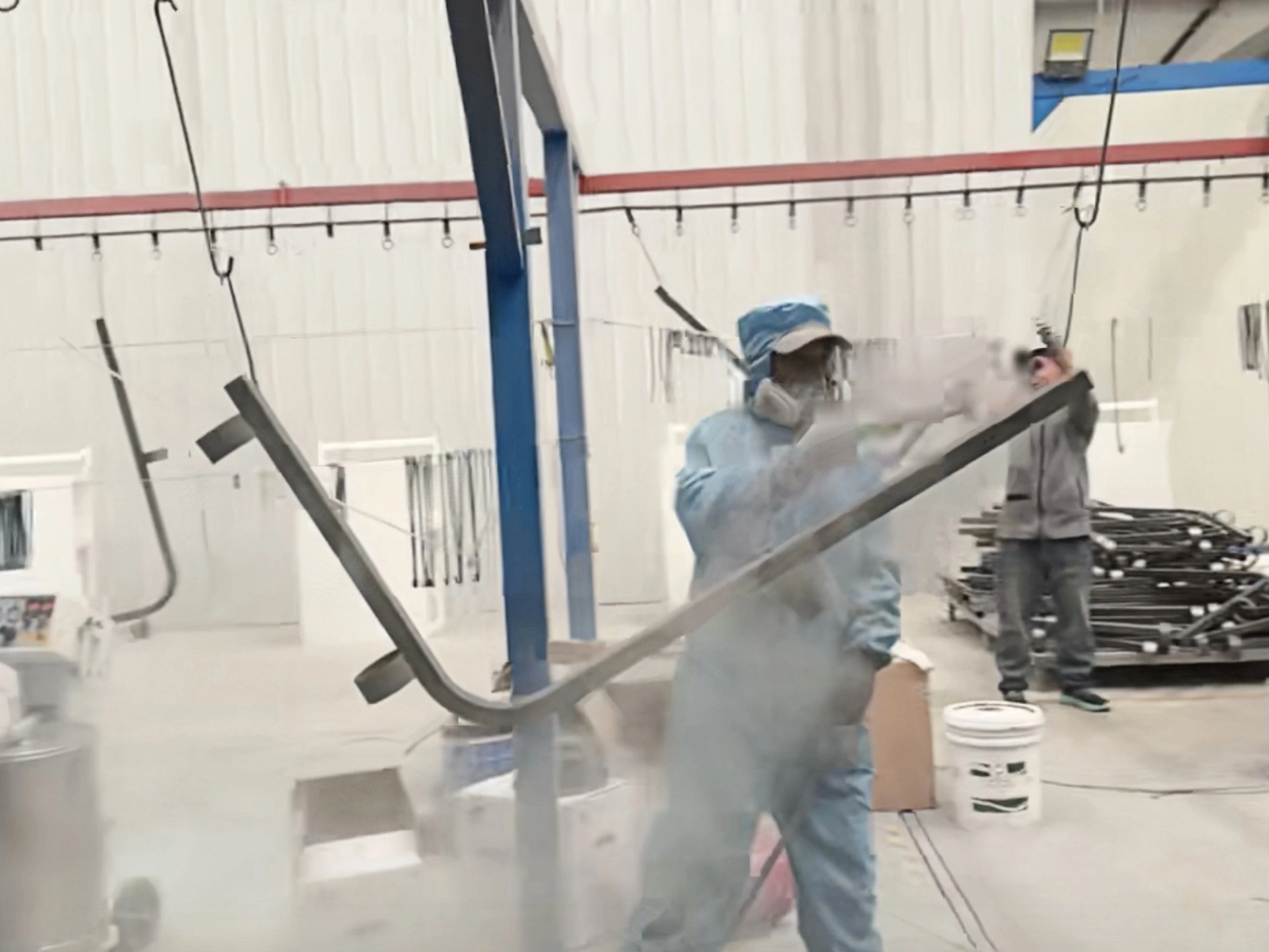
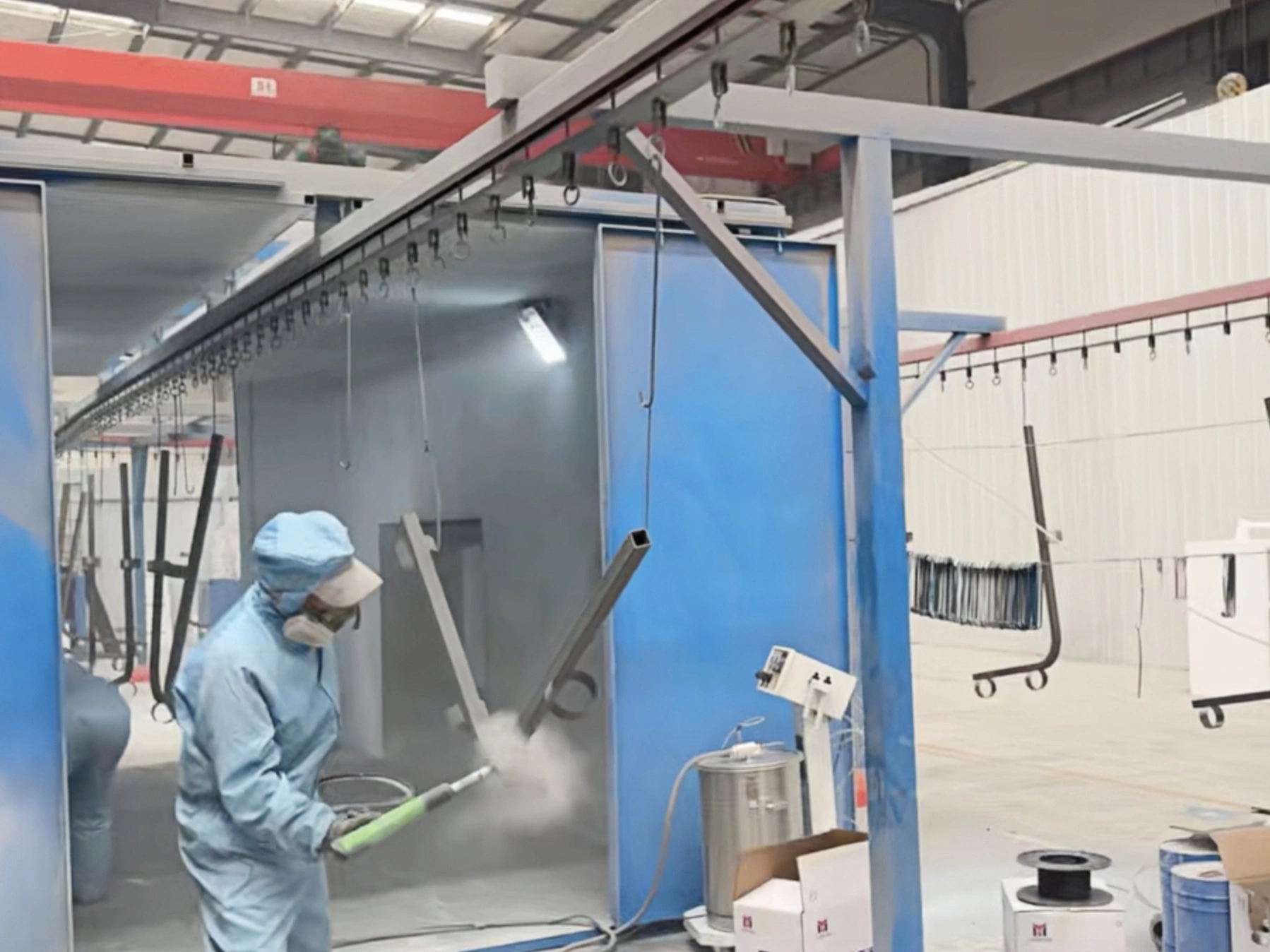
Workshop & Production

Workshop views covering metal-component coating, equipment enclosures and production-floor operations.

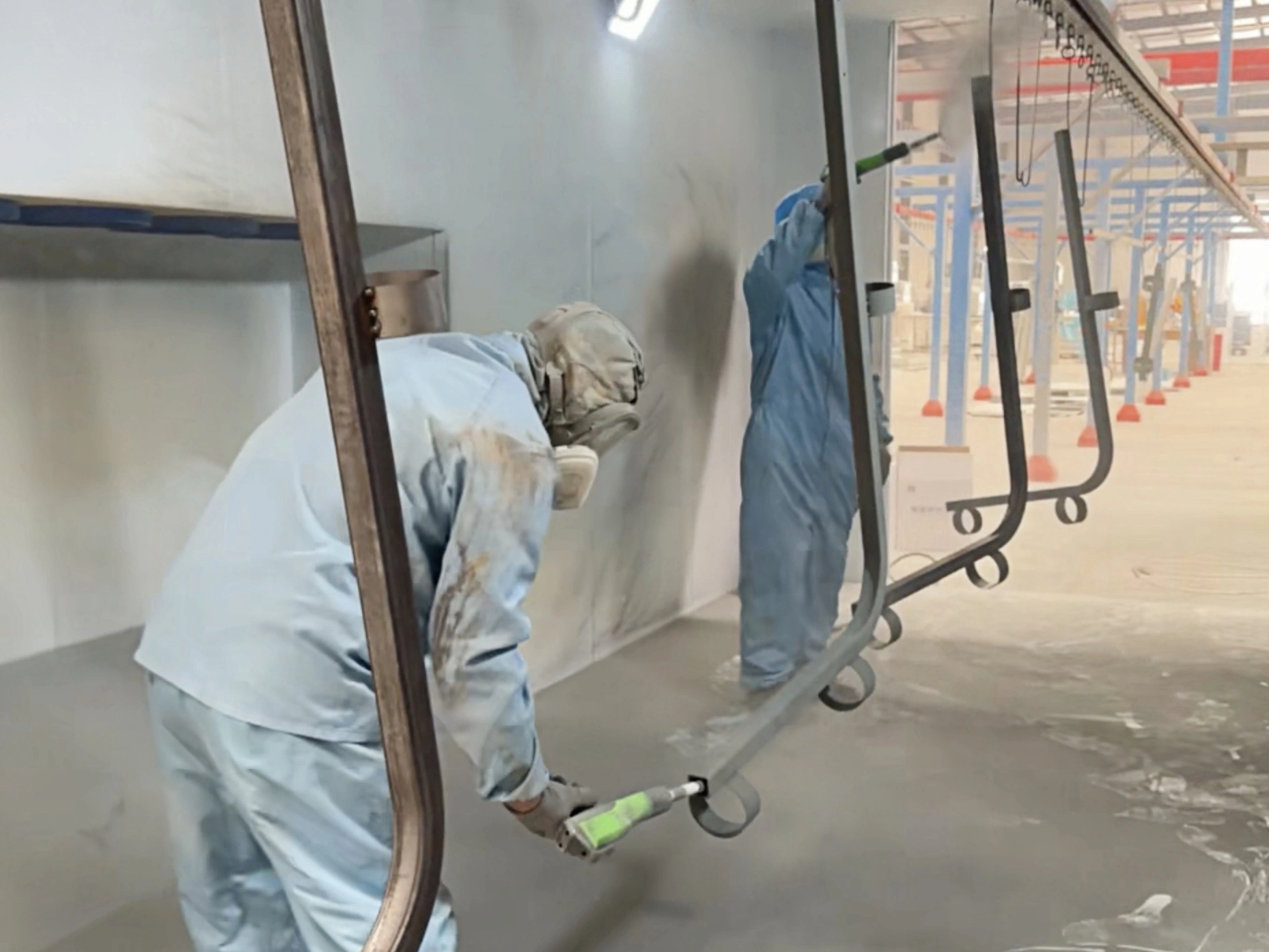
Worker spray-coating suspended metal components inside a workshop coating booth
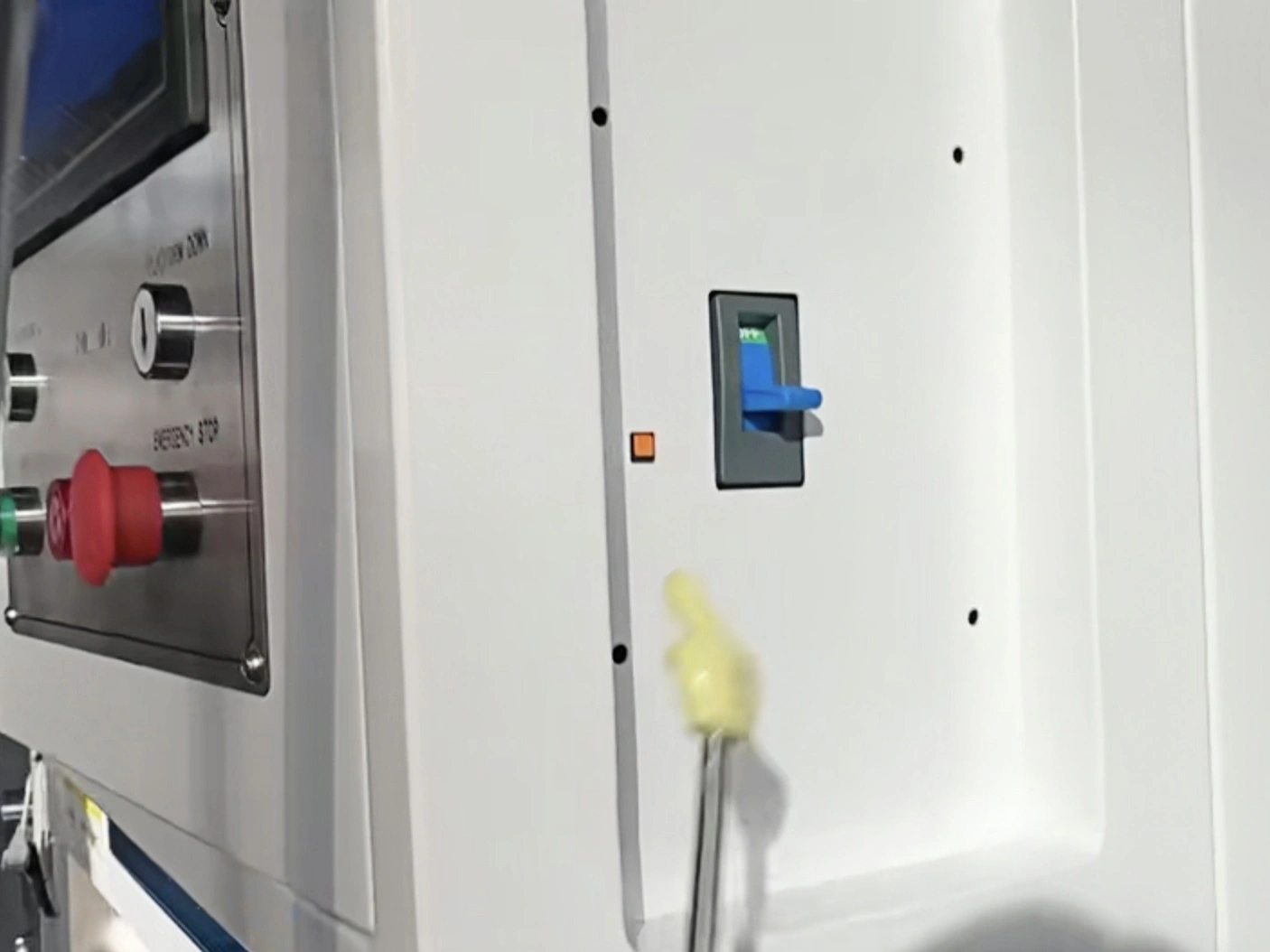
Equipment control enclosure with switches and a blue door handle
Worker applying a coating to a suspended metal frame in the workshop
Spray-coating operation inside a blue industrial coating booth

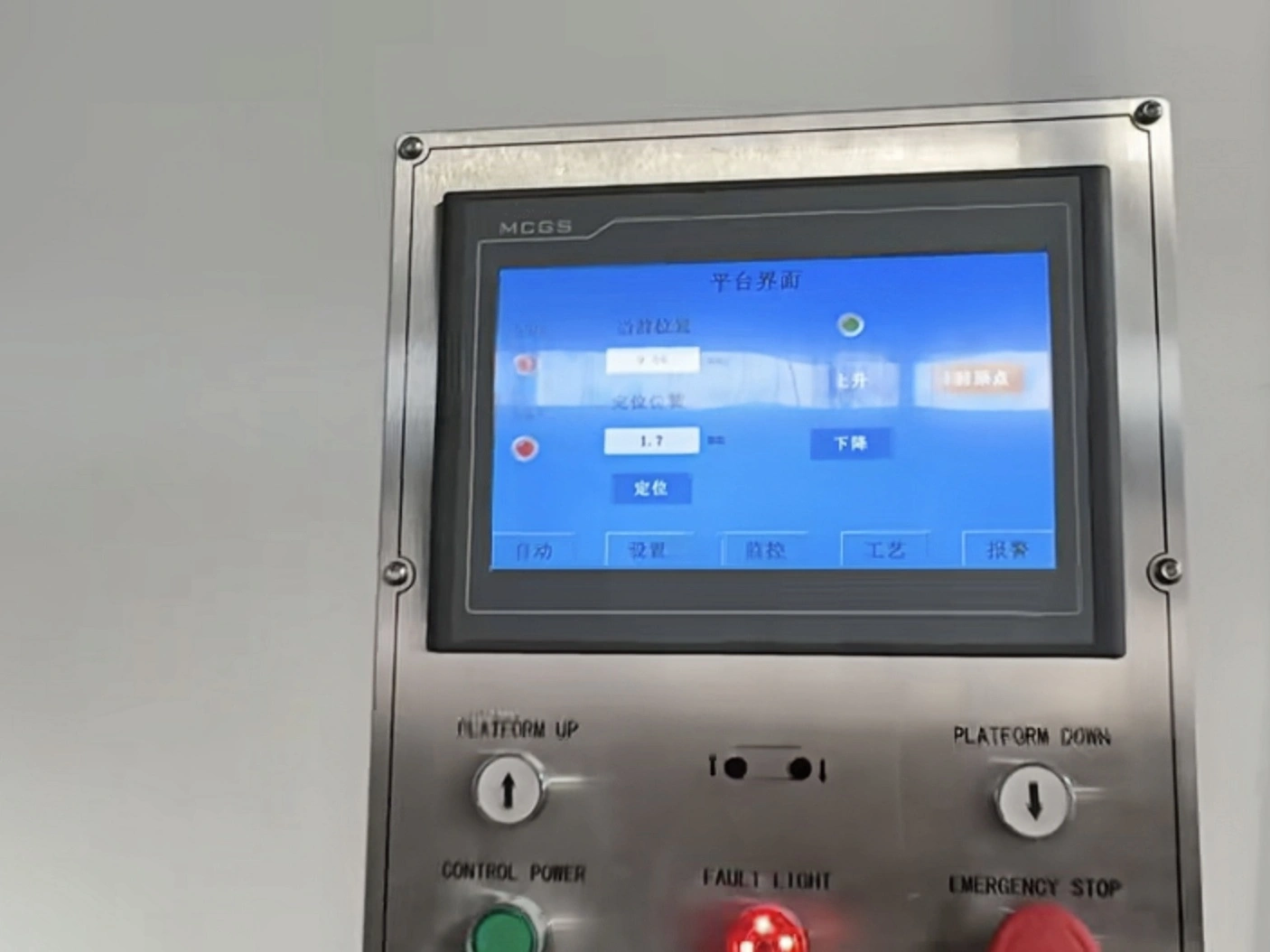
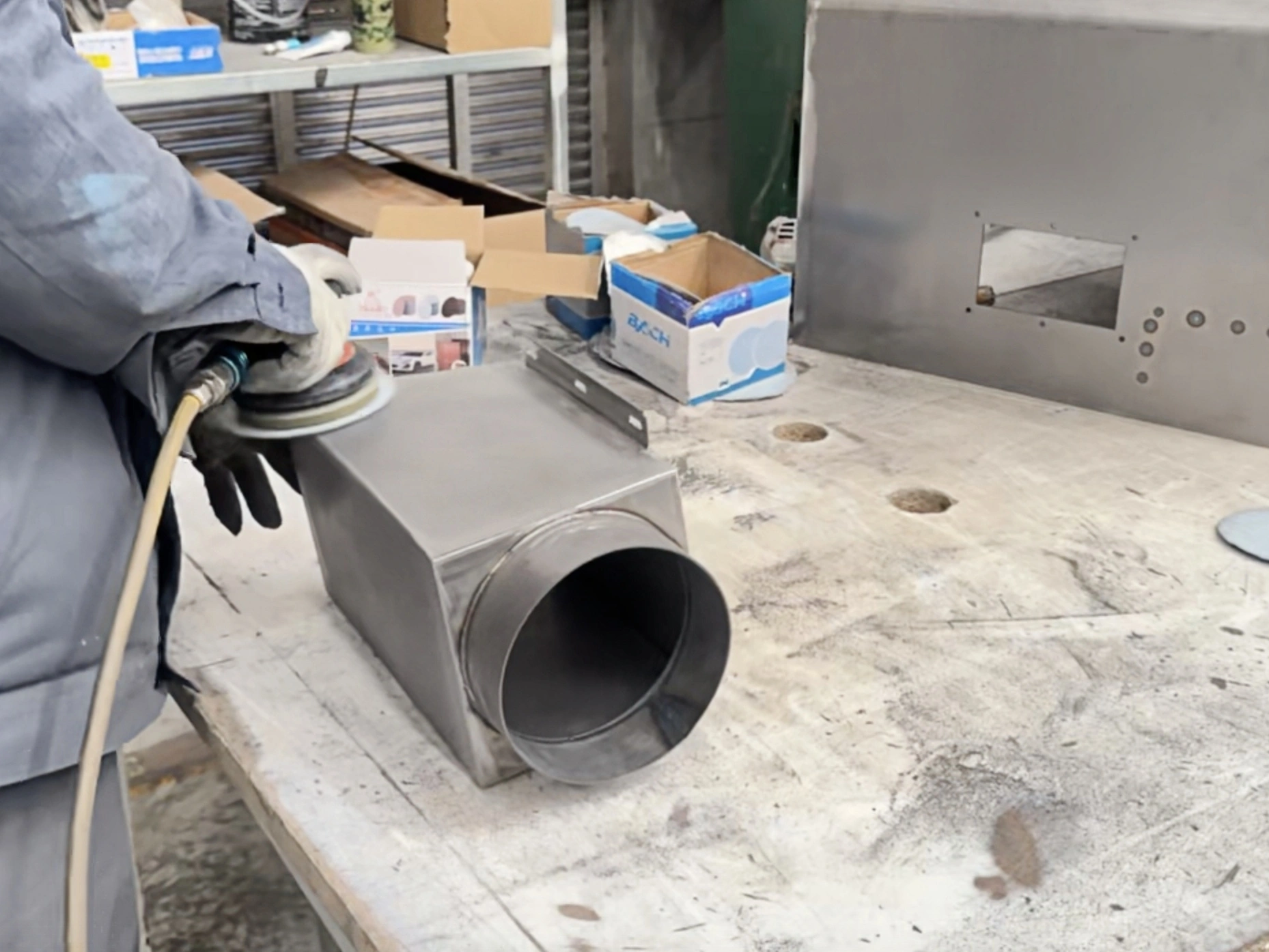
Machine Details & Assembly

A closer look at machine controls, component finishing and assembly work. Equipment and control arrangements depend on the selected model.

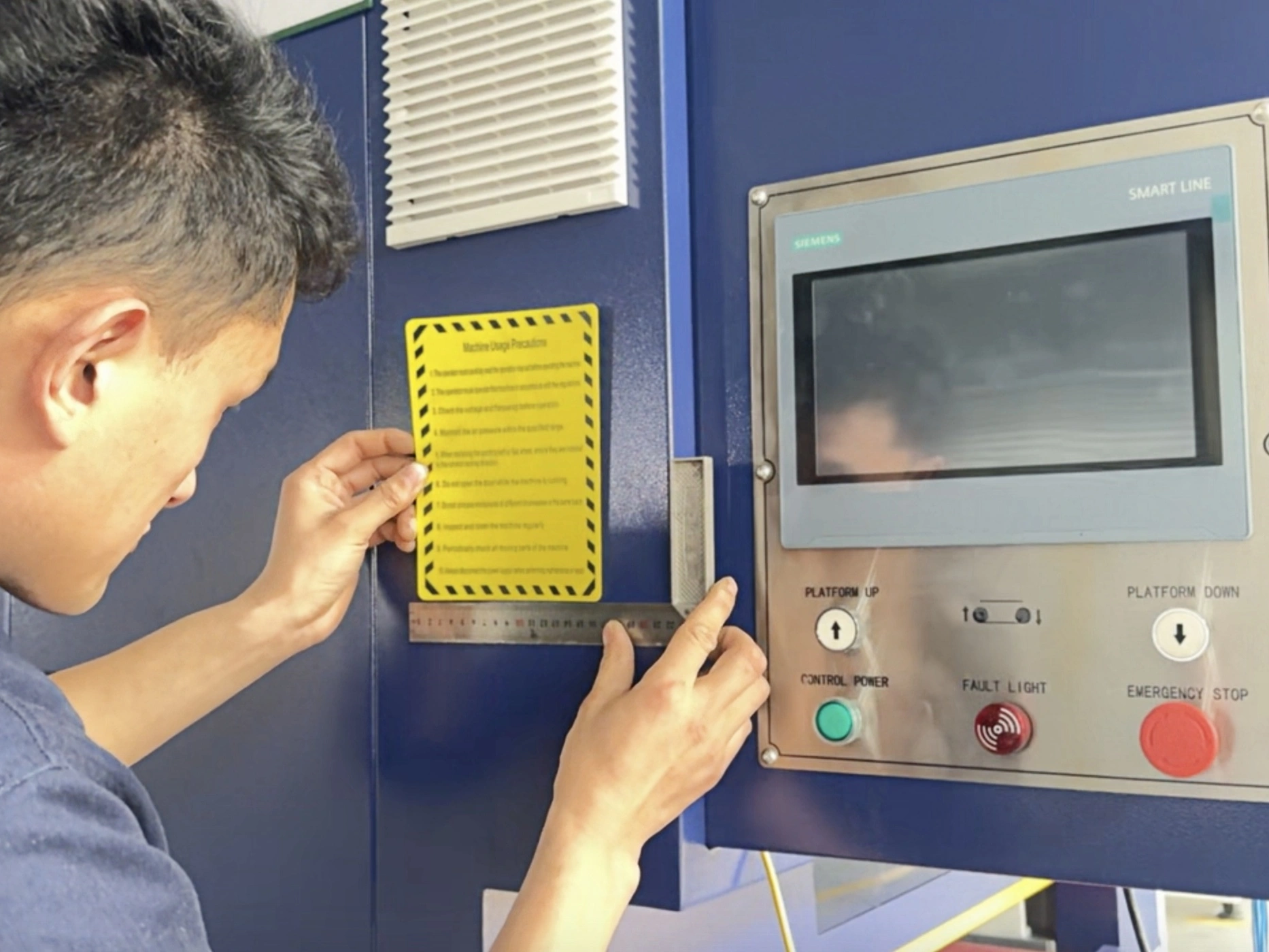
Machine touchscreen control panel with selector switches and push buttons
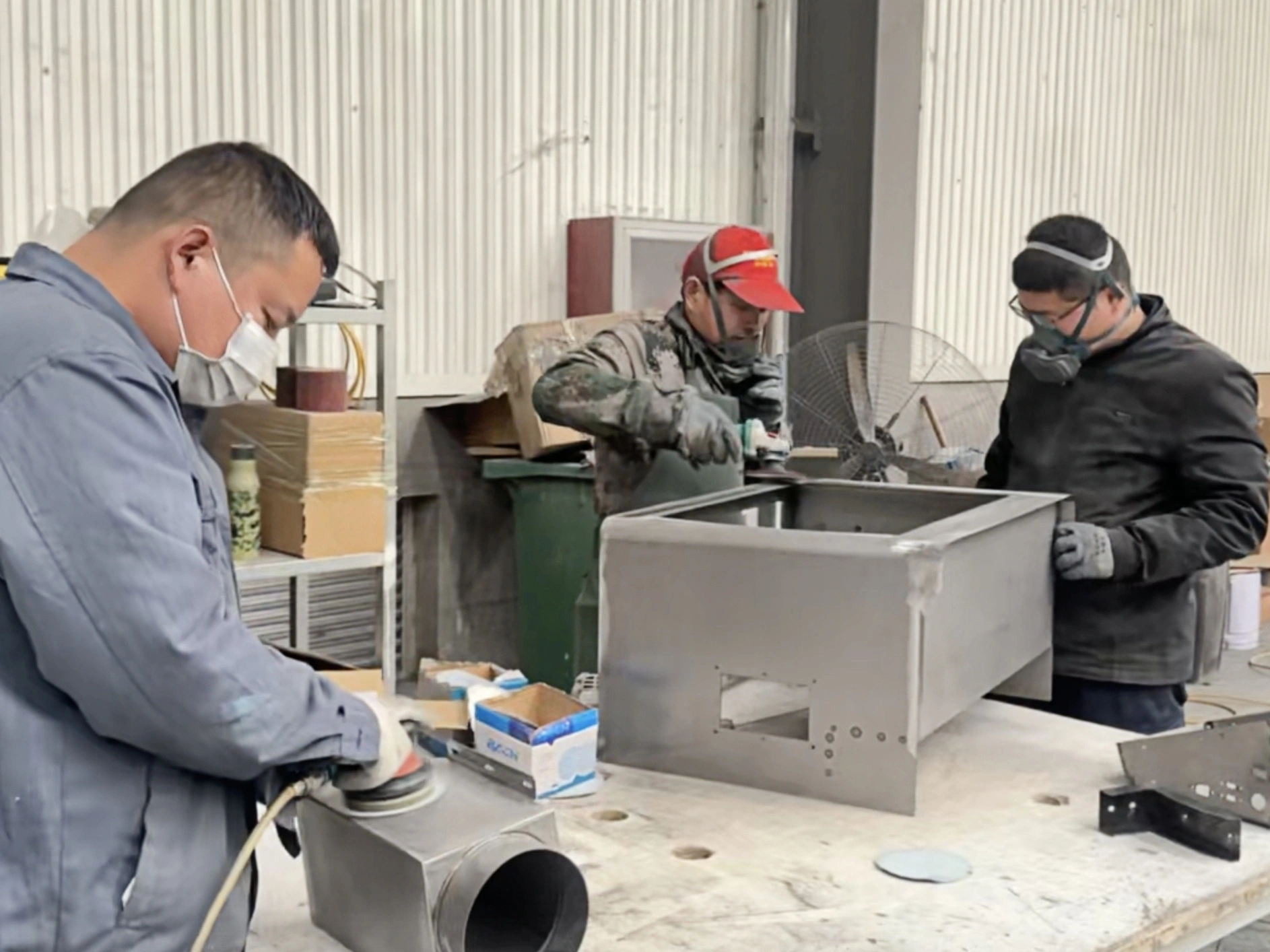
Worker finishing a fabricated metal housing with a circular duct opening
Workshop team assembling and finishing fabricated metal housings
Technician inspecting the touchscreen and buttons on a machine control panel

You May Also Like

Free to contact us