CNC Polishing for Large Tank and Dished-End Production
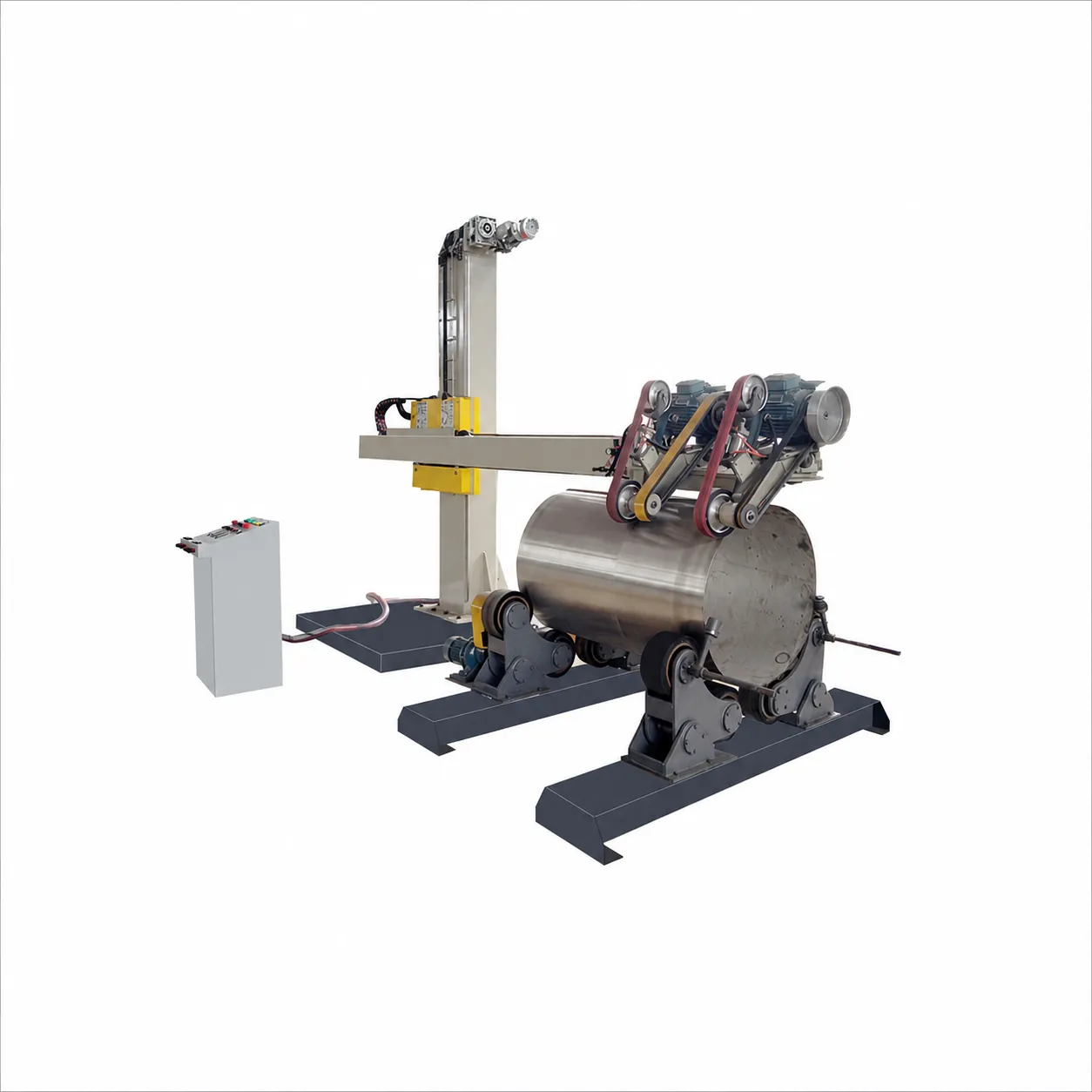
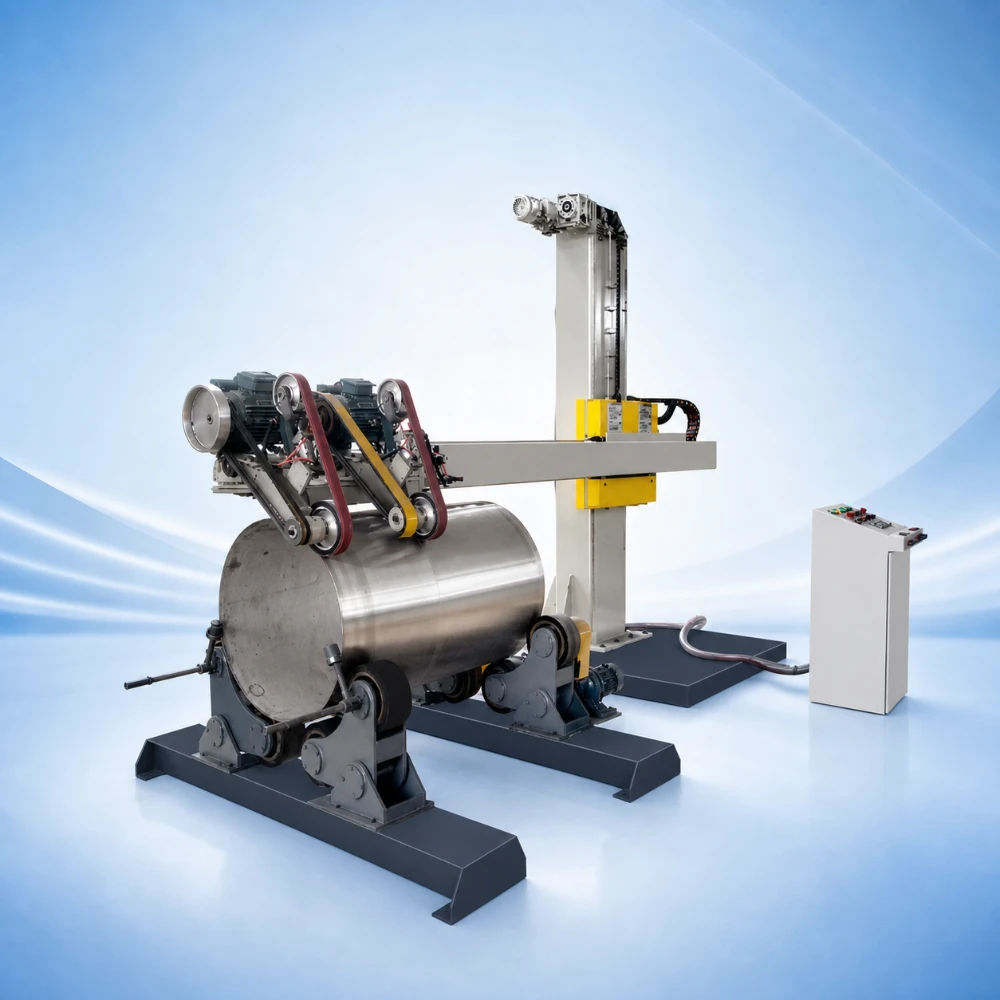
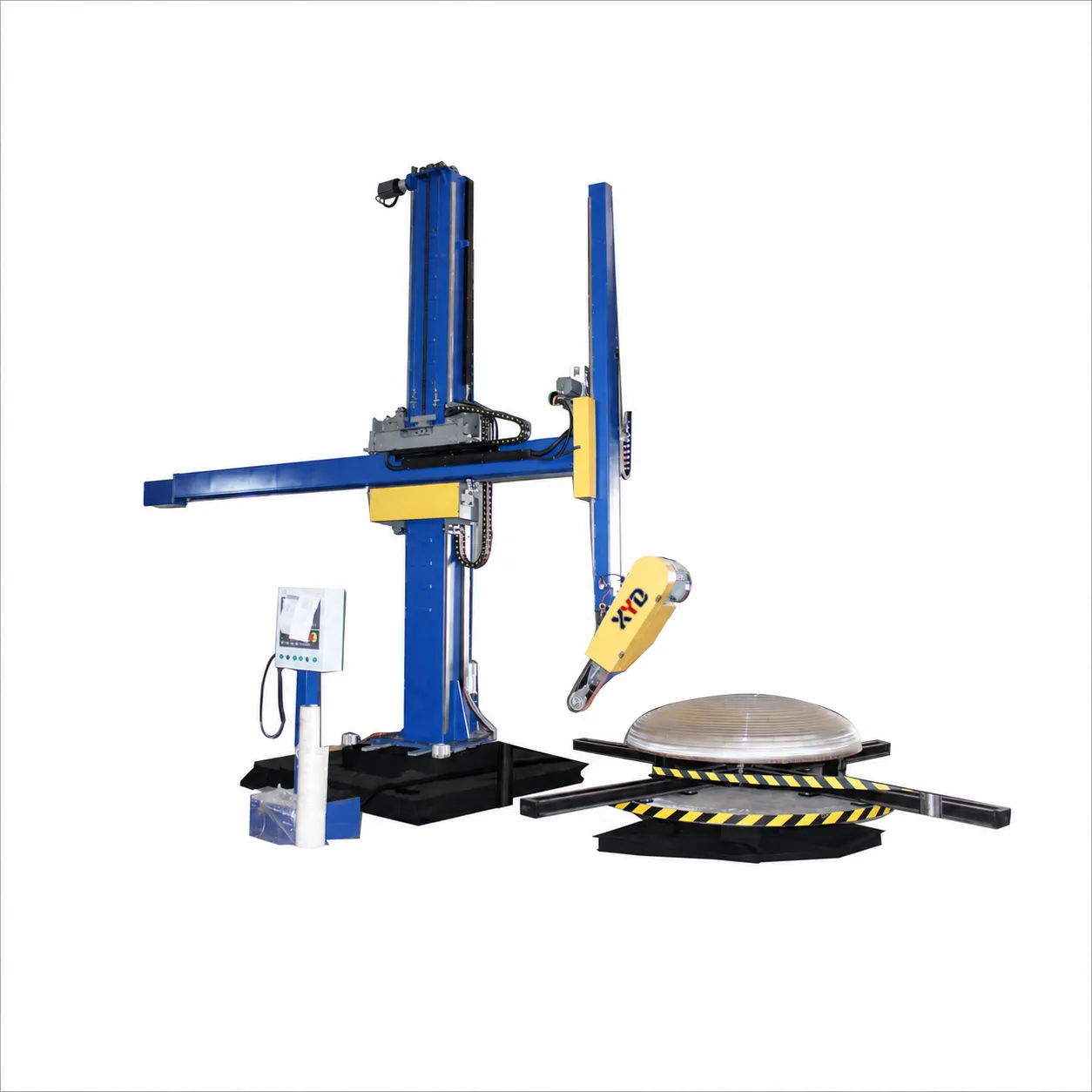
This CNC Polishing Machine is intended for vessel manufacturers that need programmed finishing paths on large cylindrical tanks and dished heads. The listed workpiece diameter range is 1,000-5,000 mm, with upright tank height of 2,500 mm. Internal or external processing is selected around the actual surface and polishing-head access.
For repeated production, the key question is whether the vessel profile, fixture and abrasive sequence can be reproduced reliably. Food, pharmaceutical, chemical, energy and environmental-equipment workshops should first define the finishing surface and acceptance method, then check support, reach and installation requirements.
Turn the Vessel Drawing into a Workable Polishing Path
- Shell and head profile: identify the actual contour, knuckle radius and surfaces to finish, not only the maximum diameter.
- Internal access: show openings, nozzle positions and fittings along the complete tool path.
- Workpiece support: review weight, balance, fixture location and the rotary table arrangement.
- Recipe setup: establish the path and abrasive stages on a representative workpiece before using the program for repeat batches.
Controlled Motion with Interchangeable Abrasives
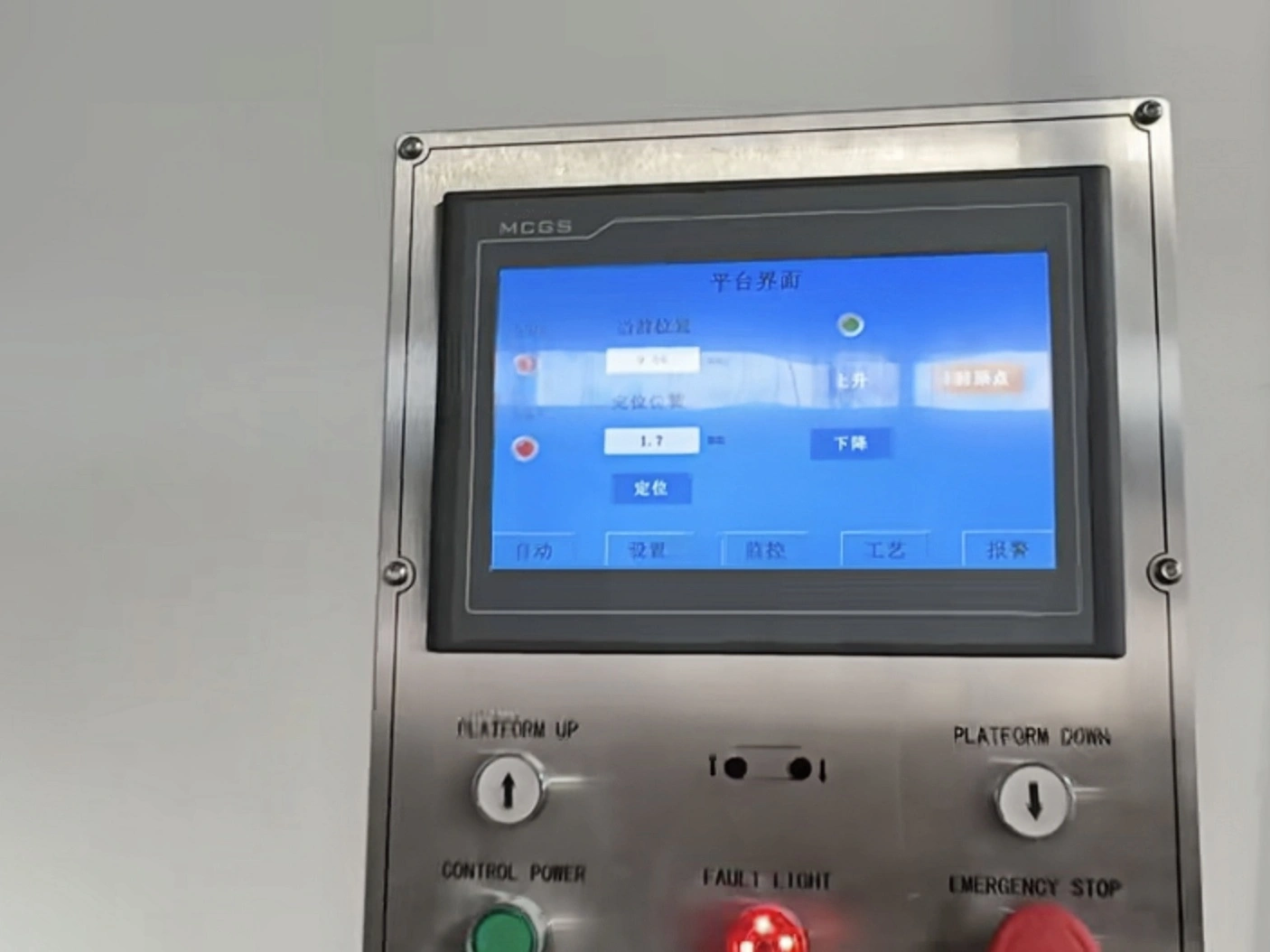
The current configuration describes a base, column, horizontal beam, dual polishing heads and integrated control cabinet. Automated movement is coordinated with workpiece rotation. A 5.5 kW variable-frequency spindle works with a 2,540 x 50 mm abrasive belt, a 250 x 50 mm flap wheel, sisal wheels or cloth buffs according to the preparation and finishing stage.
Four frequency inverters are listed for vertical drives, horizontal movement and rotation. Their number is not a specification of four independently controlled CNC axes. CNC control defines movement; the incoming surface, contact conditions, tooling and number of passes still determine the finished result.
Current Product Specifications
| Category | Specification |
| Workpiece Range | Ø1000mm-Ø5000mm (tanks & dished heads, both internal & external) |
| Vertical Height | 2500mm (tank upright placement) |
| Load Capacity | 1-20 tons (5 tons standard) |
| Total Power | Approx. 12kW |
| Spindle Motor | 5.5kW variable-frequency motor |
| Axis Drives | 4 frequency inverters: vertical (2x), horizontal, rotary |
| Beam Stroke | Max. 5000mm |
| Tools Supported | Abrasive belt (2540x50mm), flap wheel (250x50mm), sisal, cloth |
| Surface Finish | Ra ≤ 0.4um (mirror level) |
| Production Rate | Up to 10m2/hour (continuous operation) |
| Machine Size | L6000 x W800 (embedded base) x H5000mm |
The standard workpiece load is 5 tons. The wider stated 1-20 ton range covers different configurations, not a single standard capacity. Beam stroke up to 5,000 mm is a motion limit and does not prove that every vessel of that length is accessible.
Foundation and Working Envelope
The recorded machine dimensions are L6,000 x W800 (embedded base) x H5,000 mm. The 800 mm entry concerns embedded base construction; it is not the complete machine working width. Obtain the installation drawing covering the rotary table, workpiece rotation, beam motion, lifting route and operator and maintenance clearances.
Finish Acceptance and Production Planning
The page lists Ra ≤0.4 µm and output up to 10 m2/hour in continuous operation. Treat these as application-dependent values to validate on the actual material, initial surface and contour. A continuous polishing rate excludes interruptions unless those are explicitly measured.
- Agree the required finish by a roughness inspection plan or appearance reference.
- Approve the contour path, support and abrasive sequence on a representative part.
- Check surface consistency, tool access and dimensional change after cleaning.
- Measure the whole cycle, including loading, programming/changeover, consumables and inspection.
Polishing capability does not establish food-equipment cleanliness, CIP/SIP suitability or pressure-vessel compliance. Compare the Tank & Dished End Polishing Machine for its different diameter and support arrangement, or the Tank Polishing Machine for predominantly cylindrical-shell work.