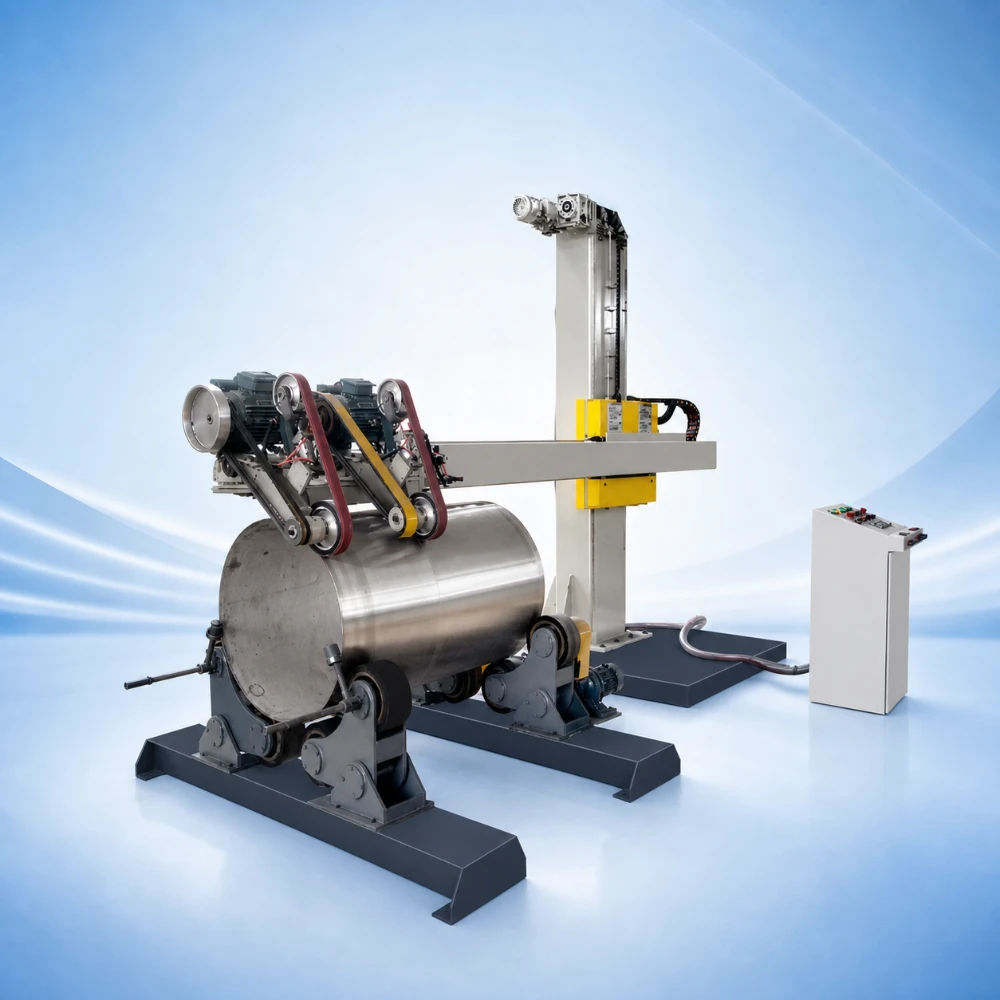
Flat-Part Preparation and Mirror Buffing for Metal Hardware
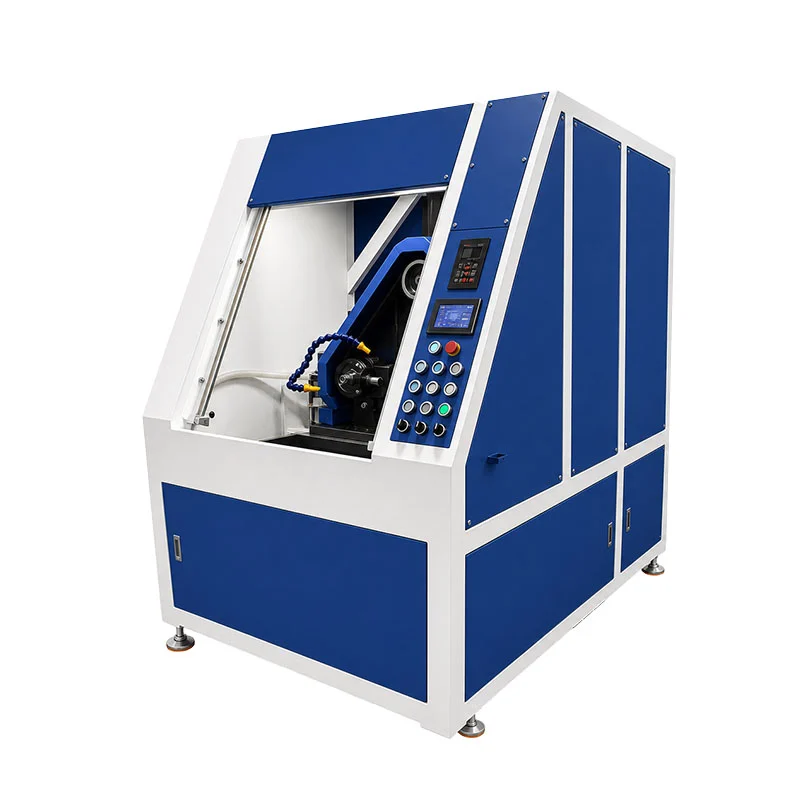
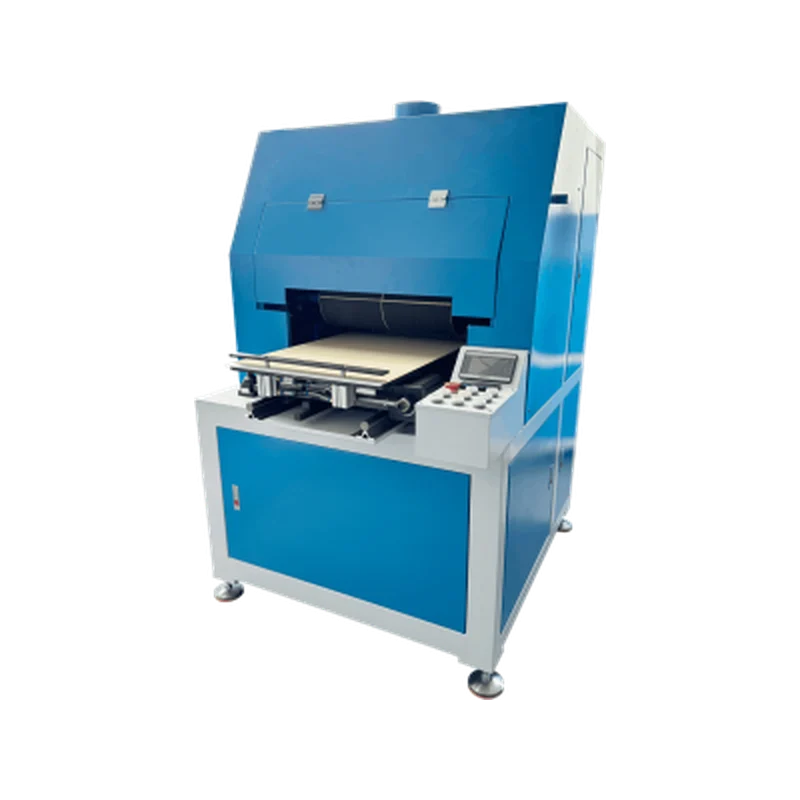
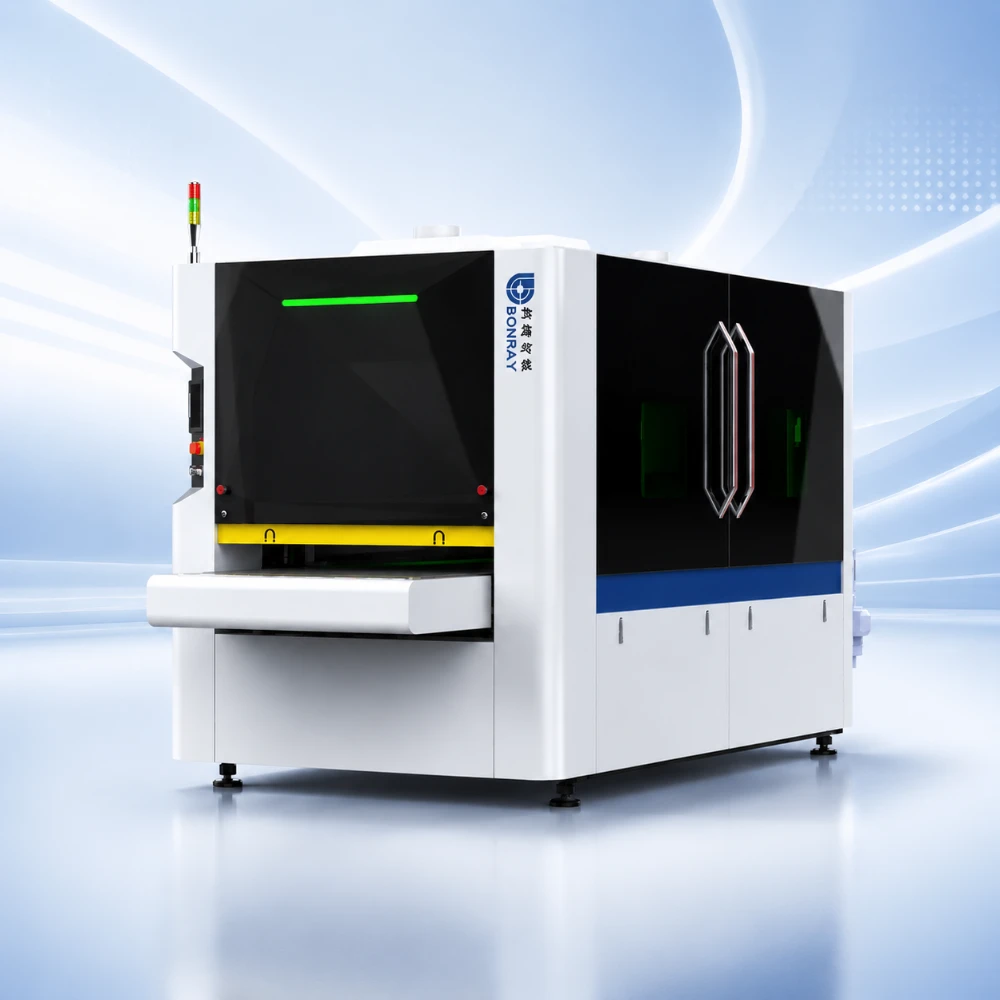
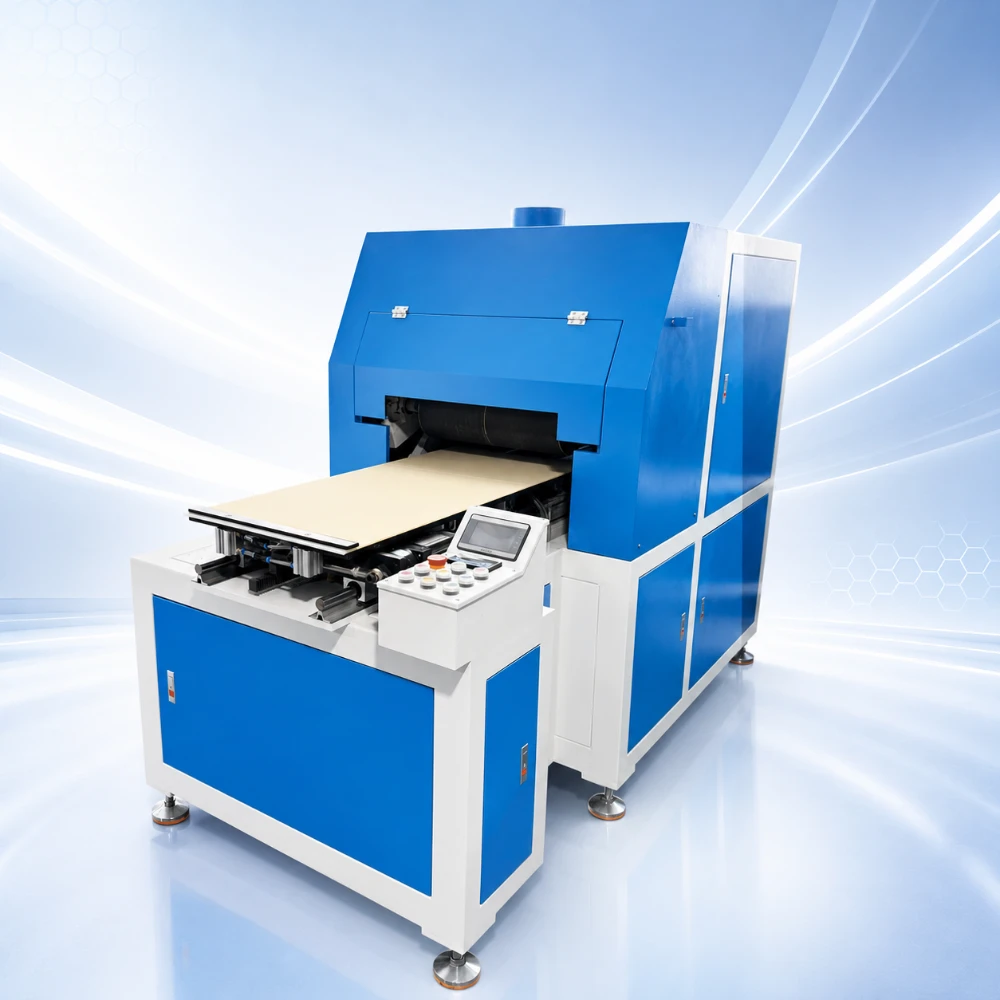
The BY-600 Flat Metal Mirror Polishing Machine is intended for preparing and buffing accessible flat faces on small hardware and fabricated metal parts. It is relevant to component manufacturers, sheet-metal workshops and finishing subcontractors who need a repeatable sequence from incoming surface marks to an approved final appearance.
The right selection depends on the part rather than a general promise of brightness: define the visible face, the scratches to remove, the holding arrangement and the edges or dimensions that must remain unchanged.
Workpiece Access and Holding
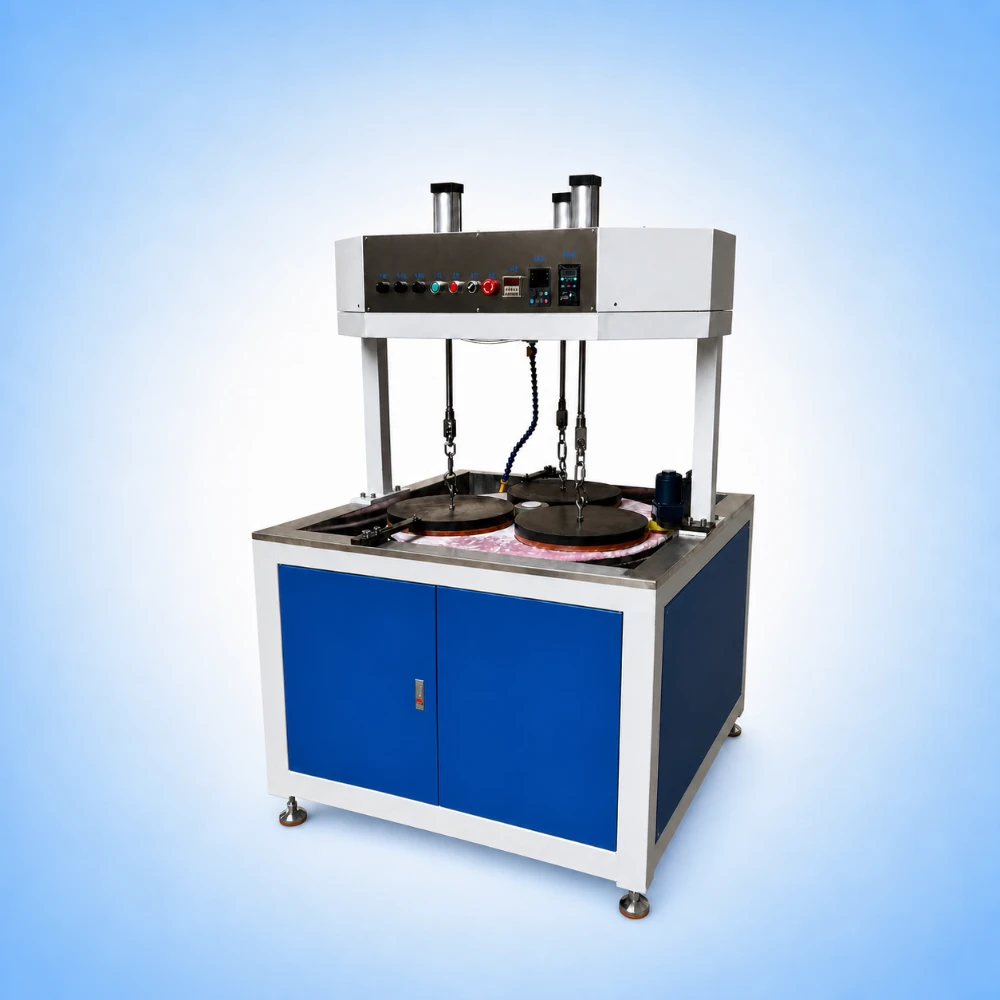
- Visible hardware: flat faces evaluated after assembly or delivery.
- Fabricated and laser-cut components: face refinement where cutting-edge treatment is a separate requirement.
- Repeat finishing batches: representative materials and surfaces that can use a validated preparation/buffing sequence.
Provide part length, width, thickness and flatness for a fit review. The listed overall machine size is not a verified part envelope. Recesses, closely spaced features and unsupported thin sections need specific tooling and holding assessment.
Prepare the Surface Before Final Buffing
- Incoming inspection: identify scratches, fabrication marks and areas to protect.
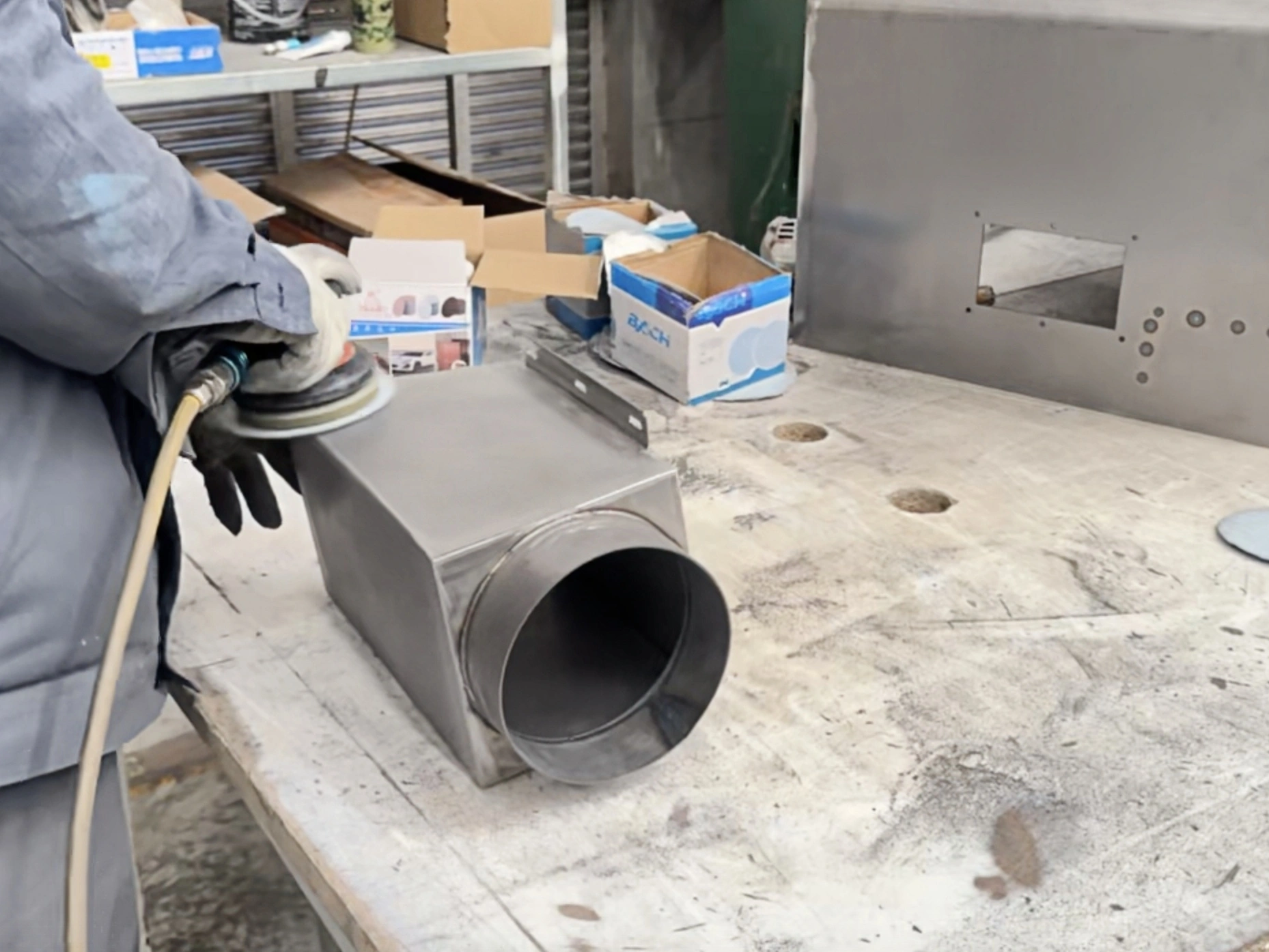
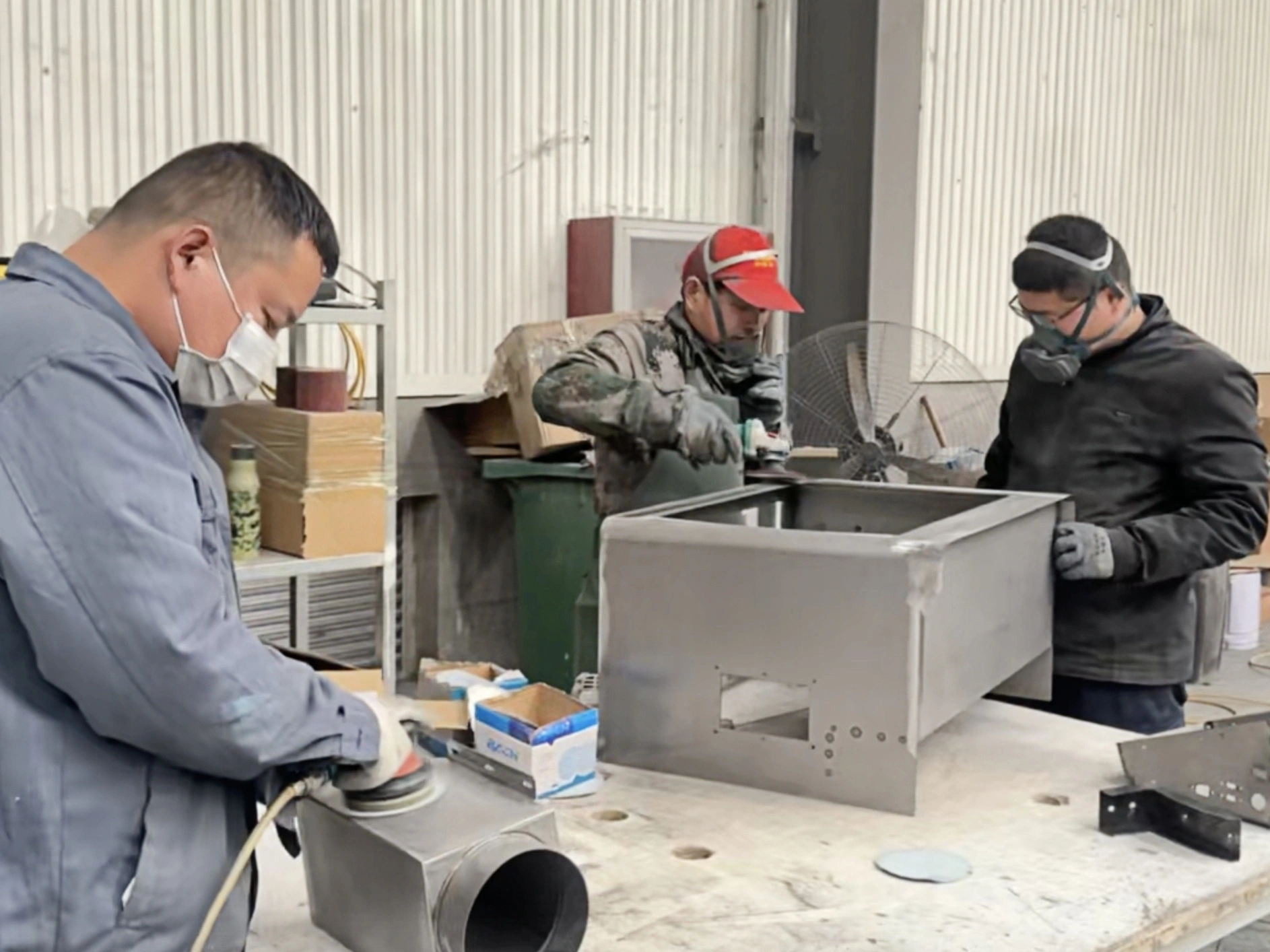
- Abrasive preparation: remove the required marks while controlling material removal and edge definition.
- Intermediate refinement: check that coarse marks are reduced before moving to finer finishing.
- Buffing and inspection: select the compatible media/compound, clean the part and compare it with the approved finish.
The described application uses abrasive paper and buffing wheels. Consumable choices are process options, not confirmation that every wheel or compound is included or interchangeable. Confirm wheel mounting and suitability for the alloy and installed configuration.
BY-600 Published Specifications
| Parameter | Specification |
| Main motor | 3 kW x 1 |
| Feed motor | 0.55 kW x 1 |
| Swing motor | 0.25 kW x 1 |
| Supply | 380 V / 50 Hz, or customized |
| Spindle speed | 1,430 r/min |
| Feed speed | 3.5 m/min; frequency-controlled |
| Swing frequency | 72 times/min; frequency-controlled |
| Worktable height | 750 mm |
| Listed roughness | ≤0.2 µm after repeated polishing |
| Listed polishing time | 0-3 minutes per piece; application-dependent |
| Dimensions (L x W x H) | 1,300 x 800 x 1,350 mm |
Result and timing: the listed ≤0.2 µm roughness requires repeated polishing. It does not alone define reflection clarity or freedom from visible scratches. The 0-3 minute/piece entry is application-dependent; include loading, repositioning, cleaning, inspection and consumable changes in production planning.
Agree the Finish and Complete Process
Use representative parts in their normal incoming condition. Agree visual inspection conditions and any roughness measurement separately. Inspect residual scratches, uniformity and unintended edge changes after cleaning. Confirm the intended dry/wet method and required extraction or liquid handling with the delivered configuration.
- Material grade, dimensions, flatness and holding points.
- Faces to finish, features to preserve and permitted material removal.
- Approved finish sample and measurable roughness requirement where applicable.
- Batch size, complete-cycle target, electrical supply and agreed consumables.
For a reflective appearance-led application, see the 8K Mirror Polishing Machine. For a wet-process review, compare the Wet Metal Polishing Machine. Similar published motor ratings do not establish interchangeable tooling or process configurations.