Slag Removal for Plasma and Oxyfuel Plate Cutting
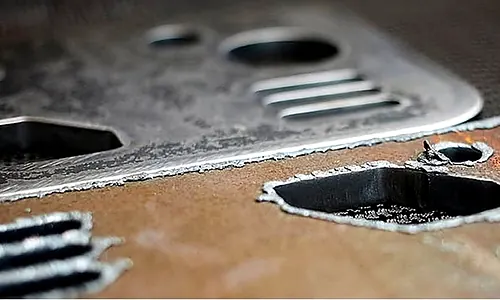
Plate-cutting subcontractors and fabrication shops often receive parts with hard cutting deposits attached along the lower edge. Before fine grinding, bending or downstream preparation, the bulk dross needs a process matched to its attachment and accessibility. A rotary hammer stage is intended for this primary cleanup rather than for the final cosmetic finish.
Start with sample plates from the actual cutting process. Deposit height and attachment can vary within a batch, so a cleanly cut demonstration part is not enough to establish the process for heavily contaminated production parts.
Rotary Hammer and Abrasive Stages
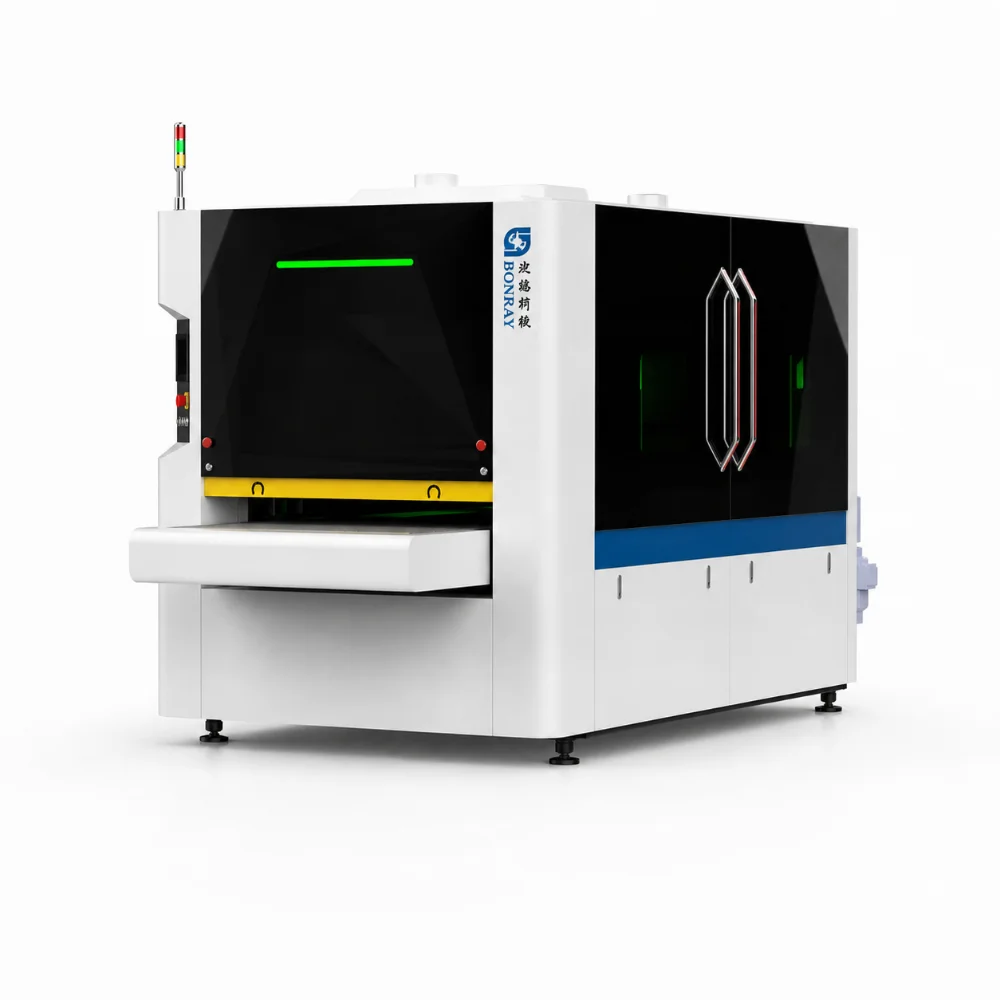
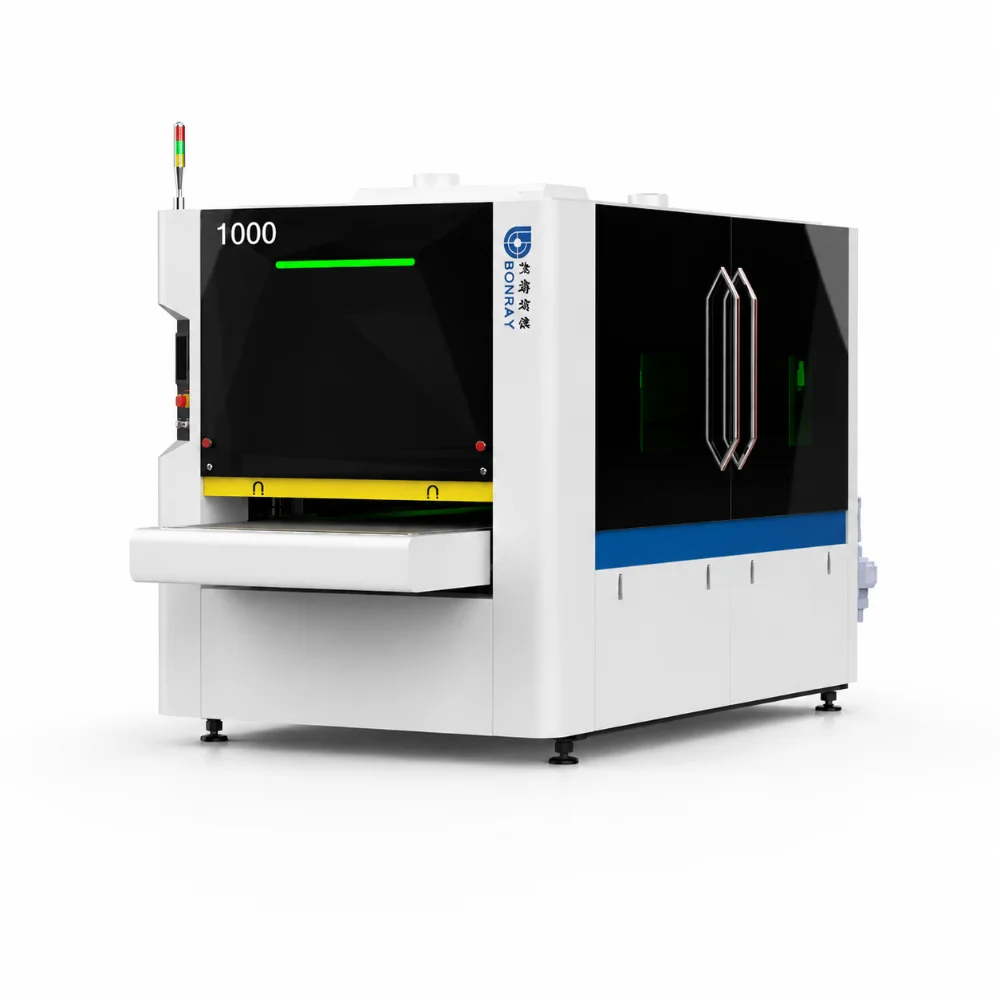
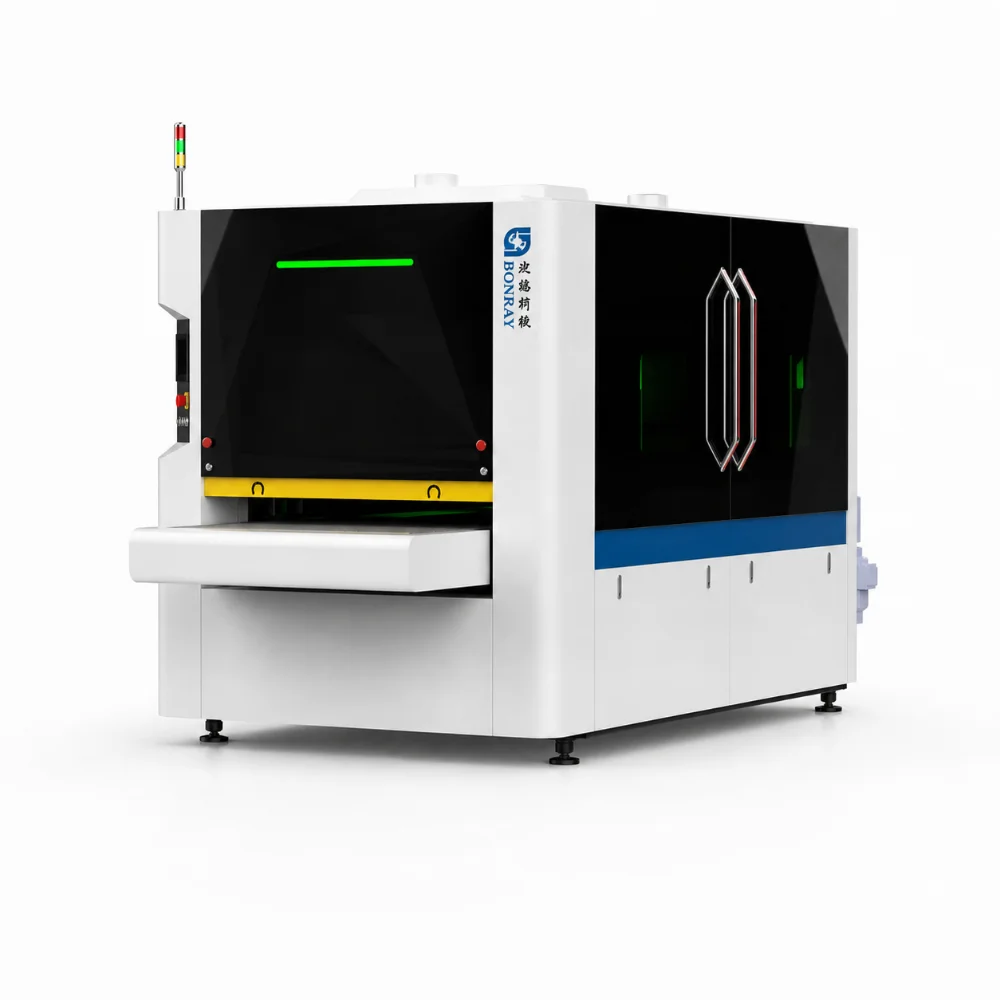
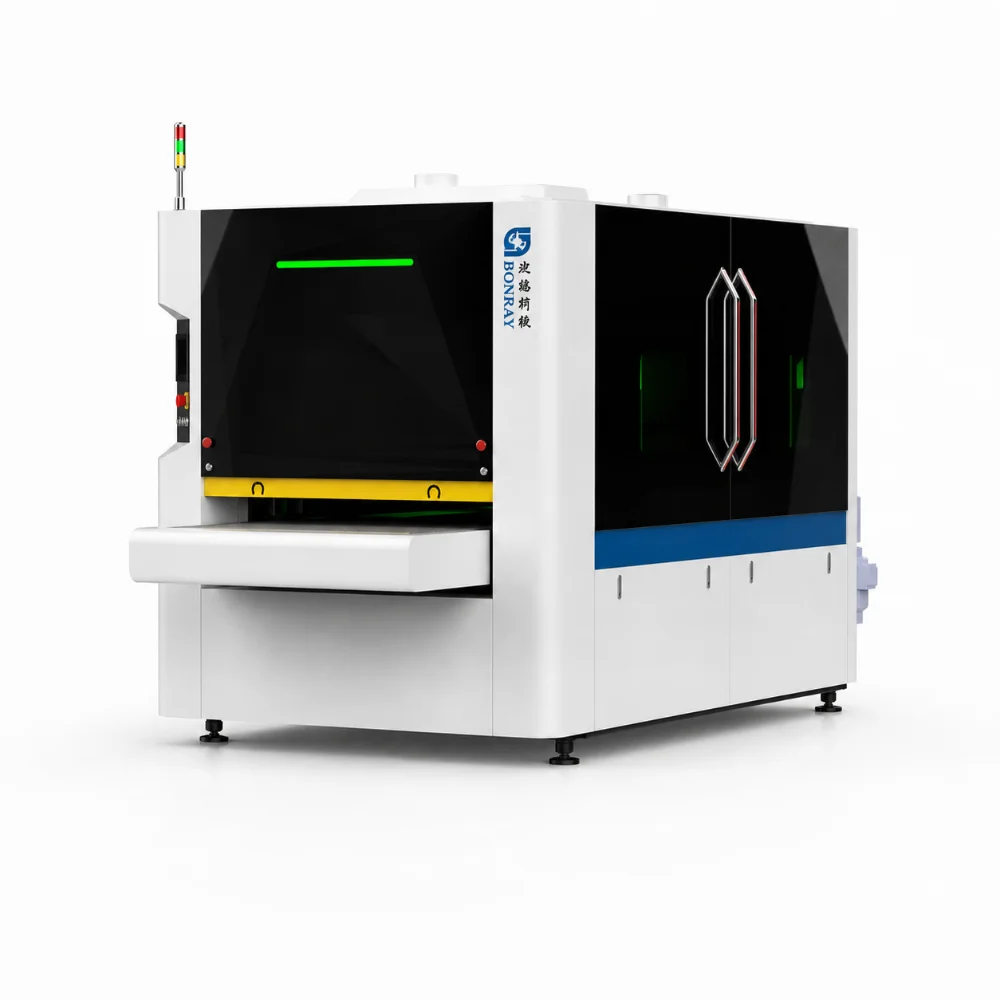
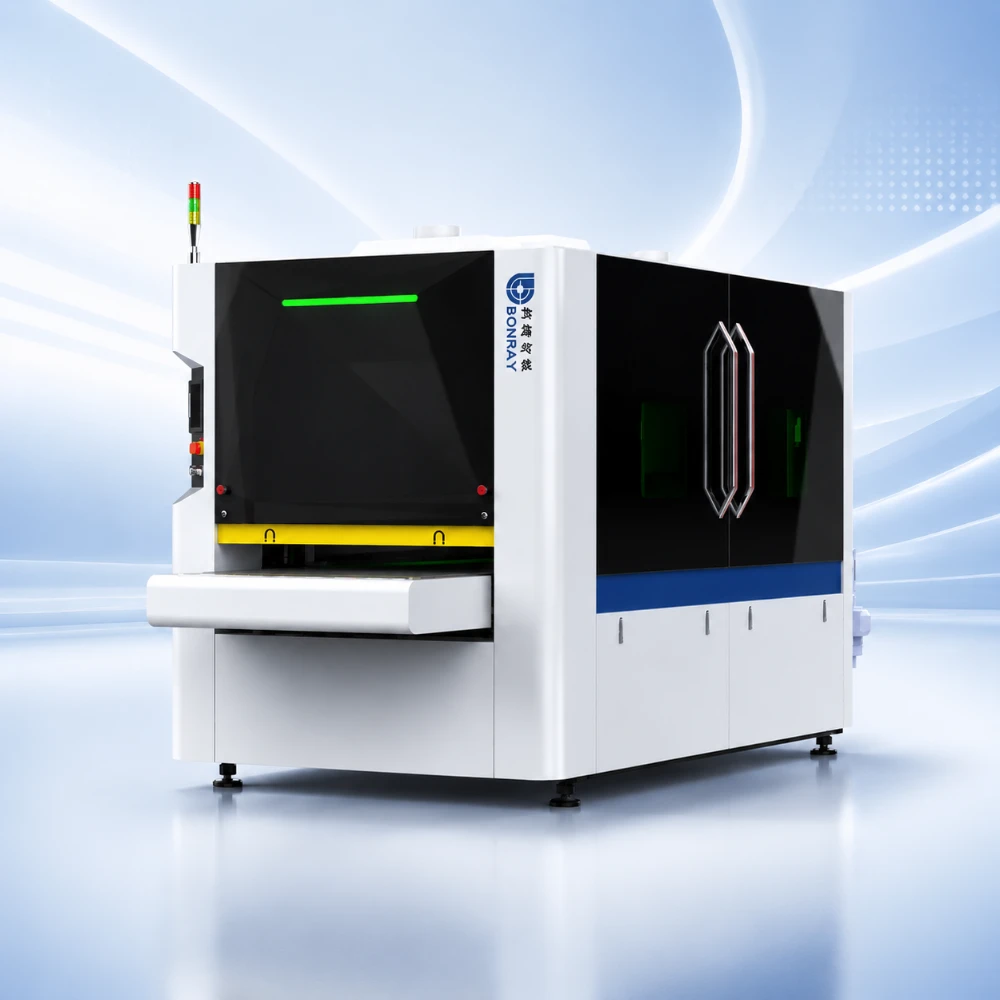
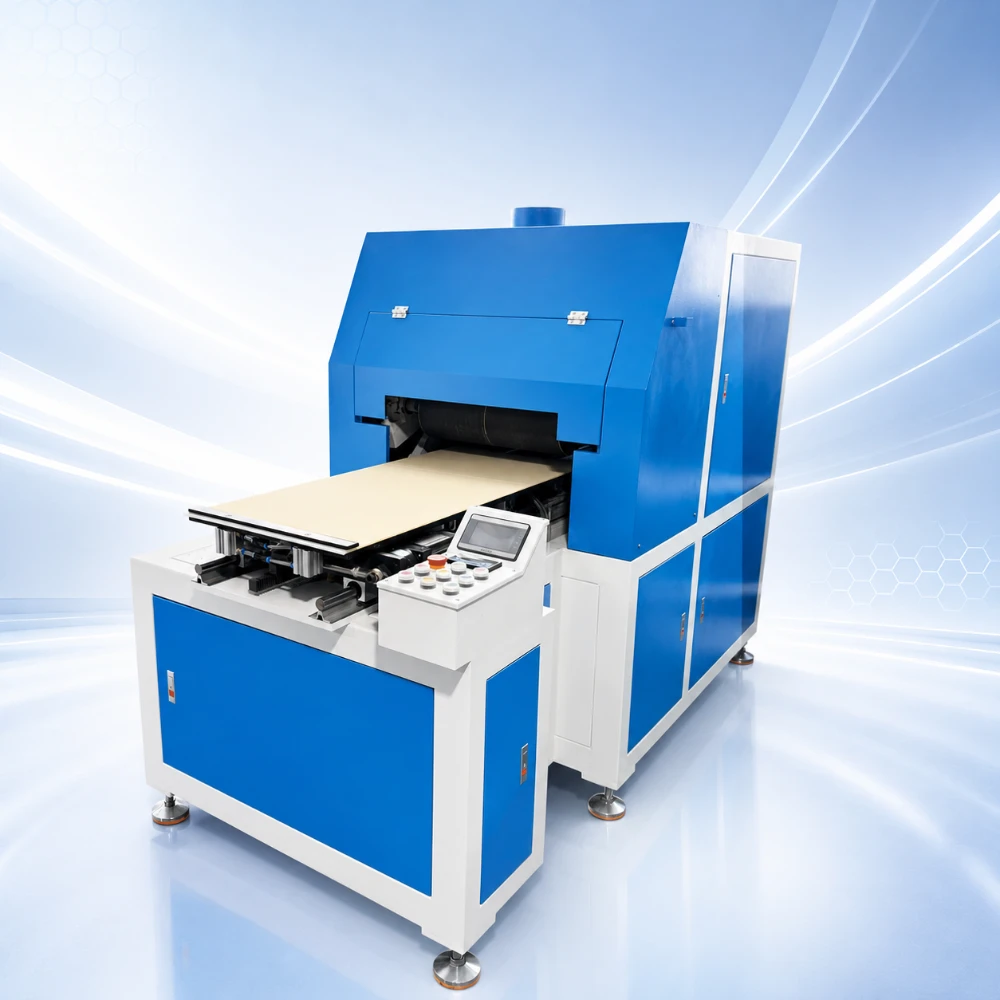
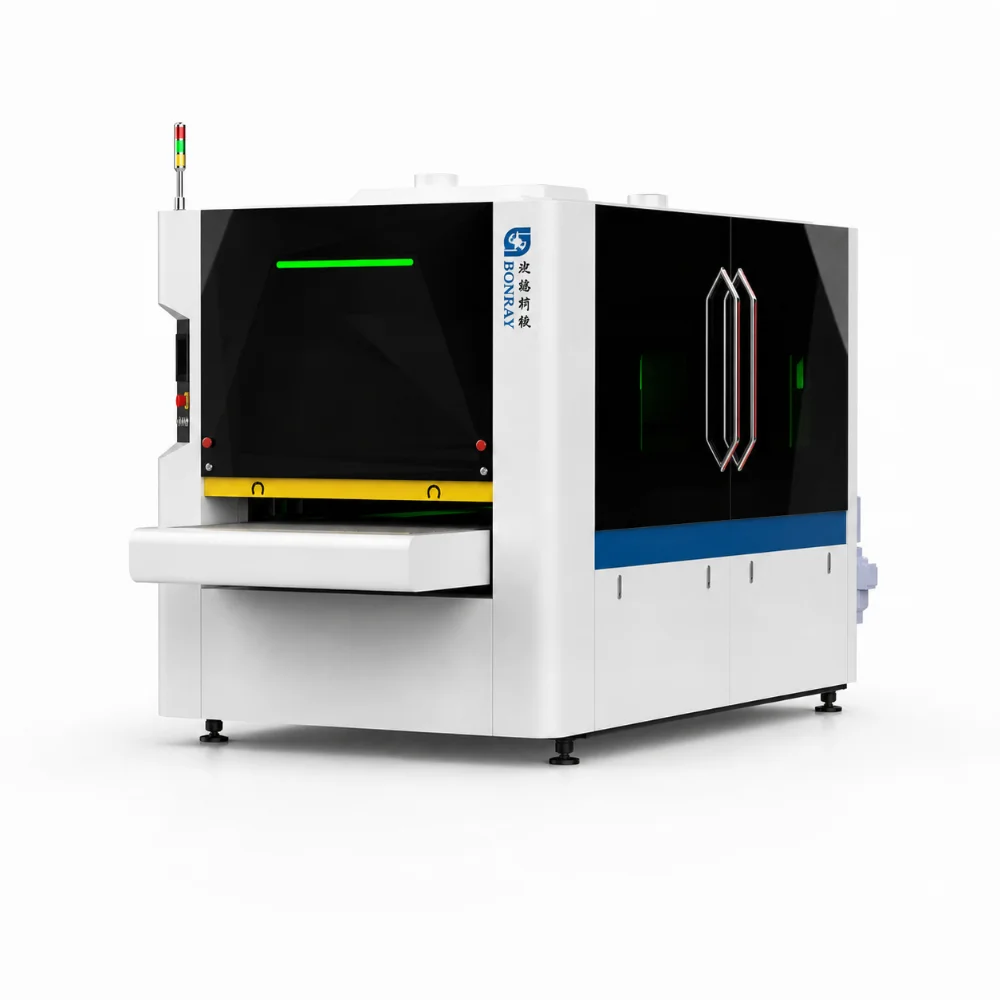
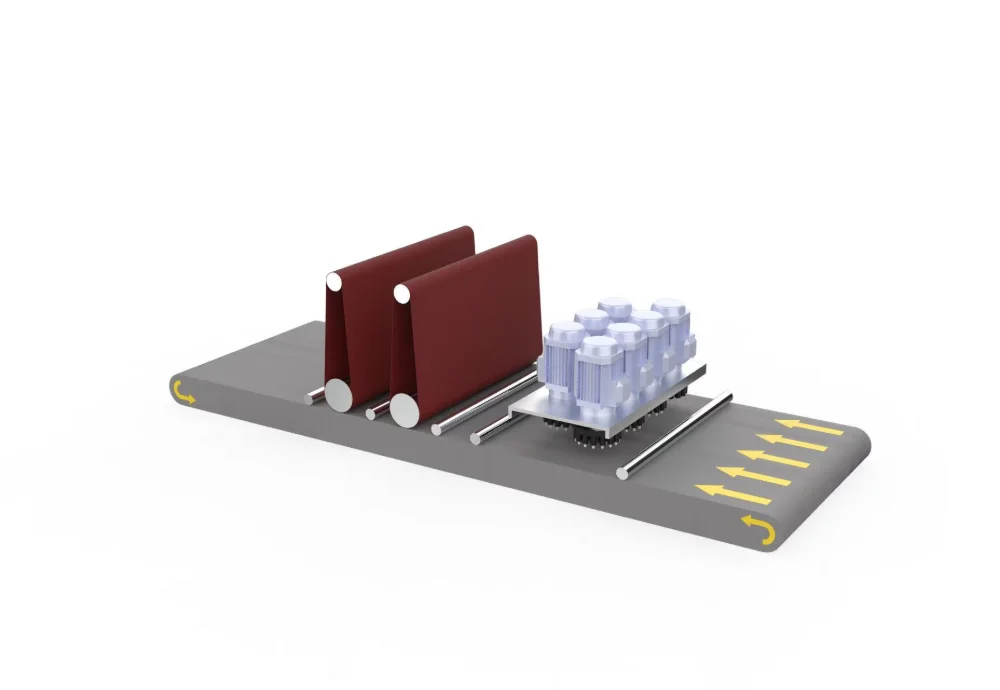
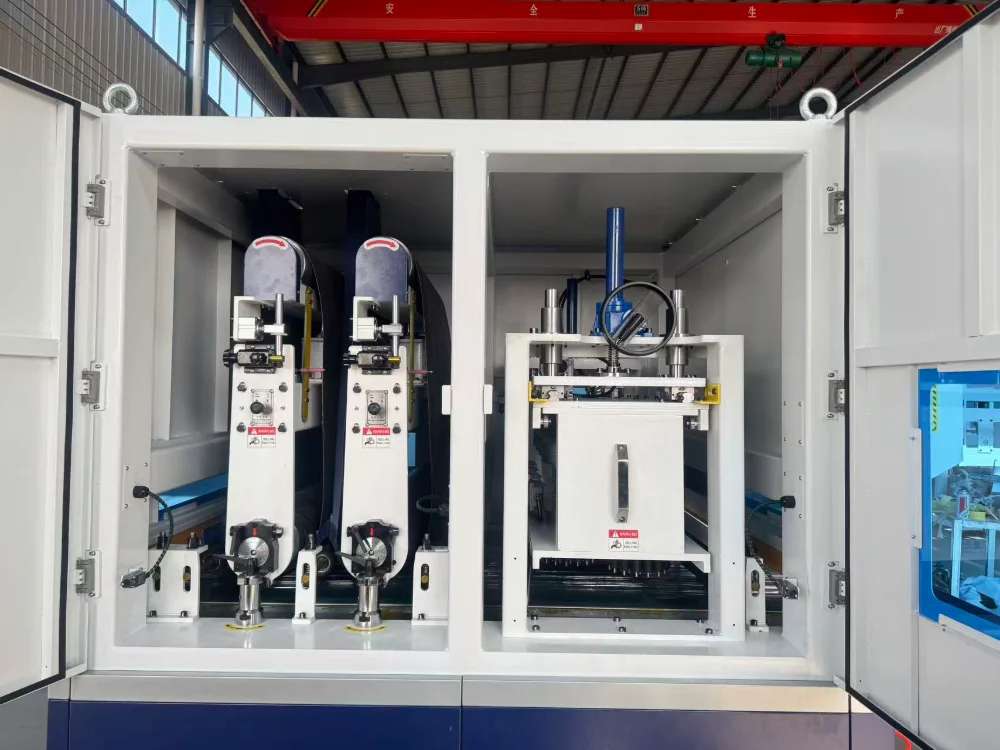
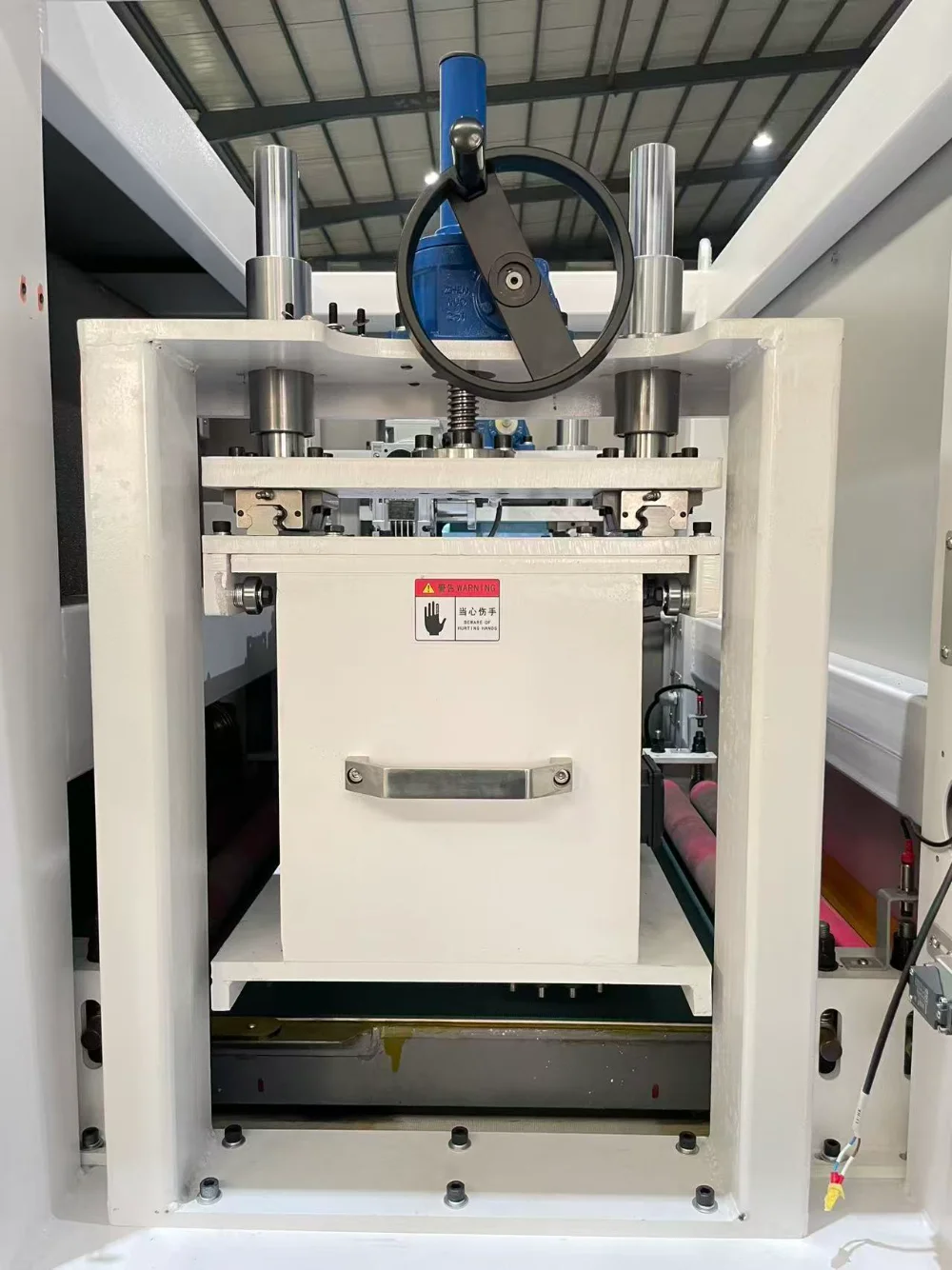
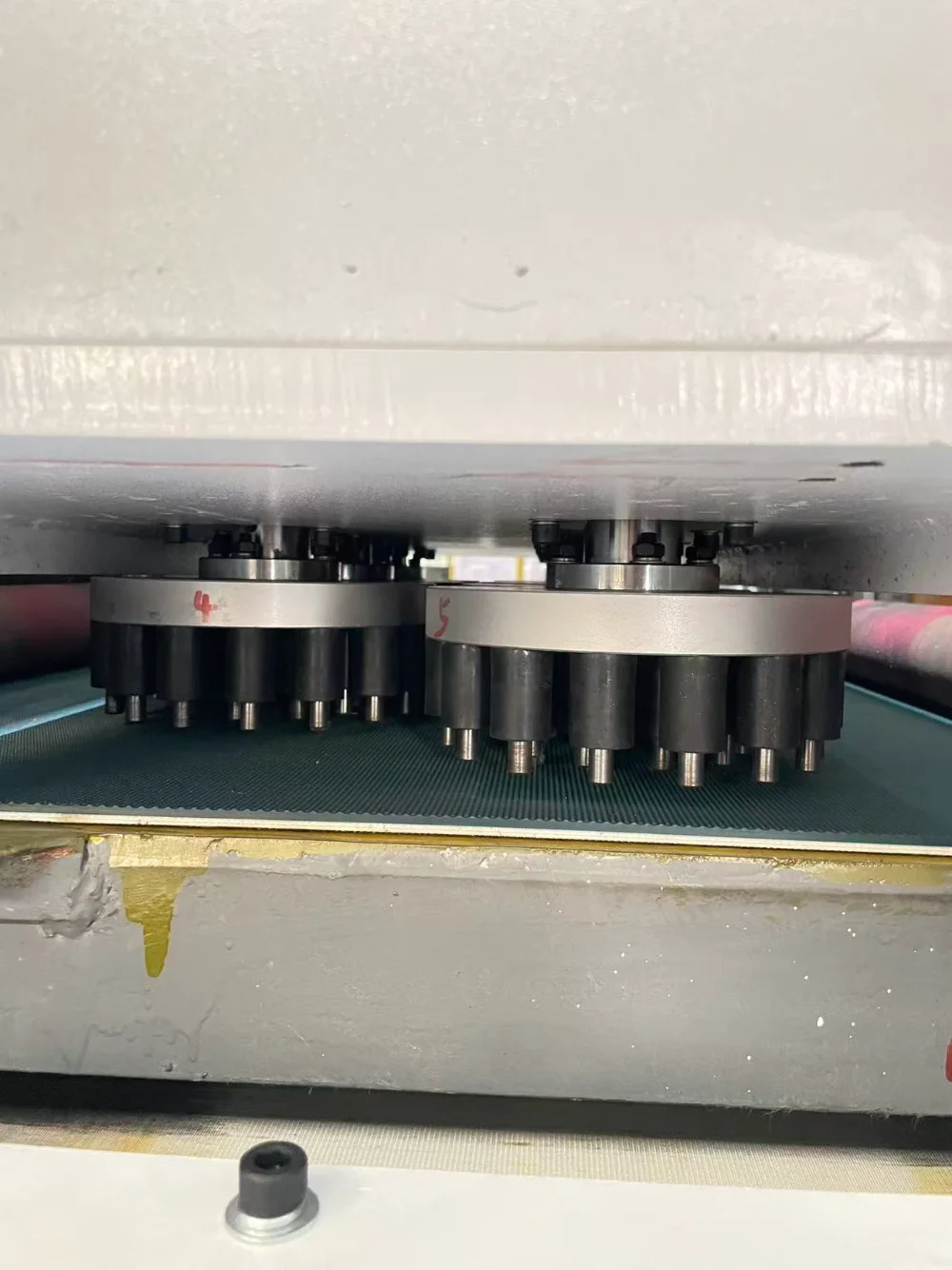
Rotary hammer tools act on accessible protruding deposits to break away attached slag. The catalogue HBBB arrangement combines a rotary hammer stage with subsequent abrasive-belt processing. This is a different mechanism from the wide-belt 1000BRB arrangement, whose technical description includes surface slag particles but does not establish equivalent heavy-dross performance.
The selected hammer engagement, transport support and pass sequence must suit the plate and residue. Confirm which face must be presented to the tool and whether the perimeter, cutouts or recessed features are reachable. Removing the bulk deposit may leave fine burrs and sharp edges for a subsequent station.
Parts and Preparation Needs
- Plasma-cut plate components: assess dross on the exposed perimeter and accessible openings before fine abrasive treatment.
- Oxyfuel-cut fabricated parts: review strongly attached deposits and the final edge requirement for the next operation.
- Mixed fabrication batches: group parts by thickness, flatness and deposit condition so the trial represents the real production mix.
Define the Incoming Plate
| Check | Reason |
|---|---|
| Cutting method and material | Identifies the residue and required processing approach. |
| Plate dimensions, thickness and flatness | Determines transport support and machine suitability. |
| Slag height and attachment | Guides hammer selection, engagement and pass count. |
| Residue location | Confirms which face and contours require access. |
| Required final edge | Defines follow-up deburring, rounding or surface preparation. |
Evaluate the Complete Route
- Photograph and identify the deposited face and the worst attached residue before the trial.
- Inspect after primary hammer treatment for remaining deposits, edge damage and part movement; then inspect again after any abrasive stages.
- Agree whether the required result is only bulk slag removal or also fine deburring, rounding and a specified face texture.
- Check the smallest-part support, loading/unloading method, electrical supply and extraction arrangement for the actual machine.
The current application page does not define one fixed working width, thickness range or output. The catalogue HBBB family contains model-specific data; use the confirmed selected model for purchasing and installation rather than applying another deburring machine's specification.
What Comes After Slag Removal
Primary slag removal is not a promise of a ready-to-coat or ready-to-weld edge. Examine remaining fine burrs, corners and surface contamination against the downstream drawing and preparation requirements. Hammer treatment does not by itself establish a precision bevel, corrosion protection or complete oxide-film removal.
Use deburring for remaining raised metal and edge rounding for a defined edge break. Assess remaining oxide on the required face or cut edge with oxide layer removal, with tooling access confirmed separately.